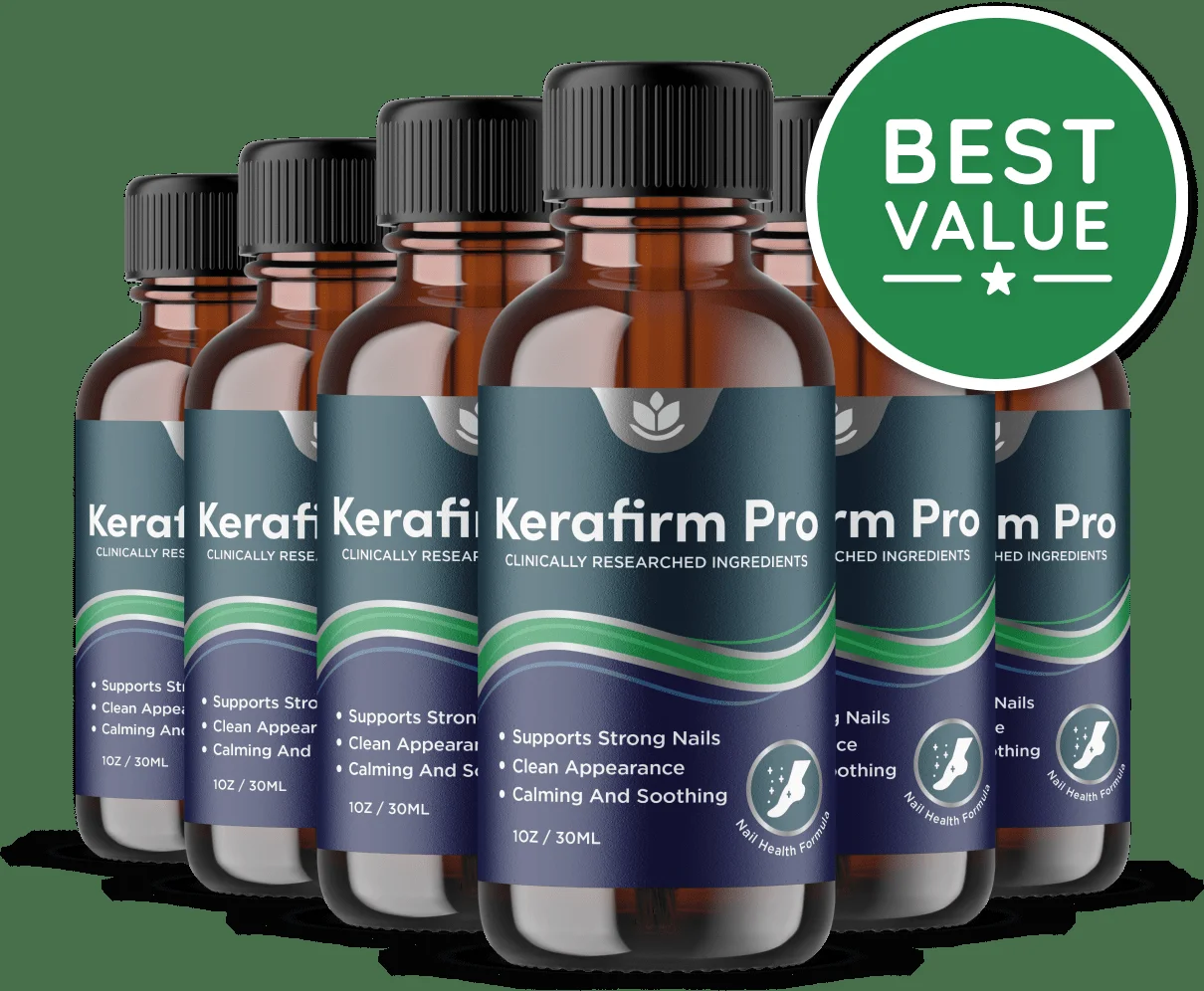
KeraFirm Pro Review 2027
This KeraFirm Pro Review 2027 examines a topical brush-on oil for nails and the skin around them: undecylenic acid plus twelve oils and botanicals, applied four times a day, with a 60-day guarantee. No pills, no prescription — but also no proven cure for fungus inside the nail.
Our Verdict: 4.2/5 — Recommended with eyes open. KeraFirm Pro earns its rating with a fully named 13-ingredient label, a genuinely convenient brush applicator, honest bundle pricing, and a real 60-day guarantee. It loses marks because its headline ingredient is not recognized for treating fungus inside the nail, the routine demands four applications a day for months, and the product is so new it has no verifiable independent track record. Buy it for nail appearance and skin comfort — not as a cure.
On this page
What Is KeraFirm Pro?How Does It Work?Ingredients Deep DivePros & ConsWho Should / Should Not Use ItHow to Use for Best ResultsKeraFirm Pro vs AlternativesSide Effects & SafetyPricingFAQWhat Is KeraFirm Pro?
KeraFirm Pro is a topical oil designed for daily nail and skin care. It comes in a small amber bottle — 1 oz / 30 ml, according to the bottle label — with a brush applicator built directly into the cap. Unscrew the cap and the applicator is already loaded, so coating a nail and the skin around it takes seconds rather than a full routine with droppers, cotton balls, or cream jars. The bottle label describes it as a "Nail Health Formula" and lists three aims: supporting strong nails, a clean appearance, and calming and soothing the surrounding skin.
The formula combines thirteen named ingredients, led by undecylenic acid, a fatty-acid derivative that has been used in over-the-counter topical foot care for decades, with a blend of essential oils and carrier oils — tea tree, manuka, clove bud, lavender, camphor, sweet almond, walnut, flaxseed, and chia seed oils, plus aloe vera, menthol, and vitamin E. There is no proprietary blend hiding the formula: every ingredient is named on the label, which is a genuine point in its favour in a category where vague blends are the norm.
What KeraFirm Pro is not matters as much as what it is. It is not a prescription antifungal, not an oral medication, and not a cure for toenail fungus. Its headline ingredient, undecylenic acid, is an FDA Category I over-the-counter antifungal for fungal infections of the skin — athlete's foot, jock itch, ringworm of the skin — but it is not recognized as effective for onychomycosis, the fungal infection that lives inside the nail plate. That distinction shapes this entire review: KeraFirm Pro is best judged as a supporting routine for nail appearance and the skin around the nail, not as a treatment that eradicates an entrenched nail infection. Anyone selling it as a guaranteed fungus cure is overselling it, and this page will not do that.
KeraFirm Pro is also a very new product. Its launch materials date to late August 2026, which means there is no long independent track record to lean on, and the large customer counts and star ratings displayed on some sales pages cannot be independently verified for a product this young. We have therefore not repeated any customer count or customer star rating anywhere on this page, and our 4.2/5 score is an editorial rating based on ingredient transparency, the application format, verified pricing, and guarantee terms — not on claimed customer reviews. That honesty is deliberate: a new product should be judged on what can actually be checked.
How Does KeraFirm Pro Work?
The formula works on three tracks at once, and understanding each one separately is the key to setting honest expectations. None of the three tracks kills fungus deep inside a nail — but together they explain why a product like this can still be a sensible daily routine for the right person.
The antifungal track: undecylenic acid on the skin around the nail
Undecylenic acid is an unsaturated fatty acid derived from castor oil. It has been used in over-the-counter topical antifungal products for decades, and the FDA's OTC antifungal monograph recognizes it as Category I — safe and effective — for fungal infections of the skin. Its mechanism is straightforward: fatty acids of this type disrupt fungal cell membranes, which interferes with the growth of the fungi that cause athlete's foot and similar skin infections. Applied to the skin around a nail, it can therefore help manage the fungal load on the surface and keep the surrounding skin in better condition.
The limit is physical, not chemical. A toenail is a dense, largely waterproof plate of keratin, and topical products struggle to penetrate through it in meaningful amounts to reach an infection living underneath or inside the nail itself. That is why standard OTC antifungal labelling states these products are not proven effective for nail fungus specifically, and why entrenched nail infections typically require oral prescription antifungals or in-office treatment from a podiatrist. KeraFirm Pro's undecylenic acid is reported at a 5% concentration — below the 10–25% range the FDA monograph covers for skin fungal infections — which is another reason to treat the antifungal track as supportive rather than decisive. The honest summary: the active ingredient is real, its regulatory home is skin rather than nail, and its concentration here is modest.
The essential-oil track: tea tree, manuka, clove, lavender, and camphor
The second track is the essential-oil blend. Tea tree oil is the best studied of the group: it has real, if modest, clinical evidence for nail and skin fungus in other formulations, including a trial that found 100% tea tree oil performed comparably to a topical antifungal drug for toenail fungus — but KeraFirm Pro uses tea tree oil diluted in a blend, not at that 100% concentration, so that trial cannot be borrowed wholesale as proof for this product. Manuka oil, from the same plant family as tea tree, is used topically for skin-soothing and antimicrobial effects. Clove bud oil contains eugenol, an essential-oil compound with antimicrobial activity that is also a known potential skin irritant at higher concentrations. Lavender oil contributes a calming scent and a mild skin-soothing effect around irritated areas, while camphor oil provides the cooling sensation on application and is traditionally used for minor skin irritation relief. Menthol adds a second cooling note and mild relief for itchy or irritated skin.
Taken together, this track is best understood as surface care: keeping the nail area clean, conditioned, and less irritated, with mild antimicrobial support from ingredients that genuinely have that property in principle. It is not a substitute for a drug-strength antifungal, and the dilution question matters — an ingredient that works at full strength in a trial does not automatically work at blend strength in a bottle. What the blend does offer is a pleasant, easy-to-apply daily habit, and for surface appearance and comfort, that is a legitimate benefit in its own right.
The carrier-and-conditioning track: oils, aloe vera, and vitamin E
The third track is the least dramatic and arguably the most reliable. Sweet almond oil and walnut oil are carrier oils that help the formula spread evenly and moisturize the surrounding skin. Flaxseed oil and chia seed oil are omega-rich carrier oils included to support the moisture barrier of the skin around the nail. Aloe vera is included for its soothing, moisturizing effect on skin that may be irritated, and vitamin E is an antioxidant commonly added to topical oils to support skin condition and help stabilize the formula itself. Dry, cracked skin around a nail looks worse and feels worse, and it cracks further — keeping that skin conditioned is unglamorous work, but it is work this formula is actually equipped to do.
How the three tracks fit together — and the nail-growth clock
Put together, the logic of KeraFirm Pro is: undecylenic acid plus antimicrobial essential oils manage the surface environment around the nail, while carrier oils, aloe vera, and vitamin E keep the surrounding skin conditioned and comfortable — and the brush applicator makes the whole routine fast enough to repeat four times a day. The visible payoff, if it comes, arrives on the nail-growth clock: as new, healthier nail grows in from the base and the old, discoloured nail grows out, the nail gradually looks cleaner. A toenail typically takes 12 to 18 months to replace itself fully, so a fully regrown nail is a long project for any topical product, and the vendor's own 3-to-6-month guidance is best read as the window for visible improvement, not complete replacement. Judge this product on whether the skin around your nails feels better and the new growth looks cleaner after months of consistency — not on whether it "kills the fungus" in weeks, because no topical oil can promise that.
What's Inside KeraFirm Pro? Ingredient Deep Dive
What we like: all thirteen ingredients are named, with no proprietary blend. What we'd like to see: exact percentages or amounts for each ingredient published on the vendor page. Beyond the reported 5% undecylenic acid concentration, individual ingredient amounts are not published, so the honest statement is that we can verify what is in the bottle but not how much of each oil is present — and dose is what separates a functional ingredient from a label decoration. Check the label on the bottle for the current formula before buying.
1. Undecylenic Acid
What it is. Undecylenic acid is an unsaturated fatty acid derived from castor oil, and the formula's primary antifungal agent. It has been used in over-the-counter topical foot-care products for decades, and the FDA recognizes it as a Category I OTC antifungal for fungal infections of the skin.
What the evidence says — and its limit. The evidence supports undecylenic acid against skin fungi such as the organisms behind athlete's foot. It does not extend to fungus inside the nail plate: the nail is a dense keratin barrier that topical products penetrate poorly, and OTC antifungal labelling reflects that limitation. The reported 5% concentration here also sits below the 10–25% range in the FDA monograph for skin fungal infections. None of this makes the ingredient fake — it makes it a modest, skin-level antifungal in a nail-care bottle, and buyers should calibrate expectations accordingly.
2. Tea Tree Oil
What it is. Tea tree oil is an essential oil distilled from the leaves of Melaleuca alternifolia, widely used topically for its antimicrobial and anti-inflammatory properties on skin.
What the evidence says. Tea tree oil has the strongest evidence base of any essential oil in this formula, including a clinical trial in which 100% tea tree oil performed comparably to a topical antifungal drug for toenail fungus. The crucial caveat: KeraFirm Pro uses tea tree oil diluted in a thirteen-ingredient blend, not at 100% concentration, so that trial supports the ingredient in principle, not this bottle's dose. Tea tree oil is also a known skin sensitizer for some people, so a patch test on a small area first is sensible.
3. Manuka Oil
What it is. Manuka oil comes from Leptospermum scoparium, a plant in the same family as tea tree, and is used topically for skin-soothing and antimicrobial effects. It plays a supporting role alongside tea tree oil in this blend — a second antimicrobial essential oil from a related botanical family, contributing to the surface-care track rather than carrying the formula alone.
4. Clove Bud Oil
What it is. Clove bud oil contains eugenol, an essential-oil compound with genuine antimicrobial activity that has a long history in topical and dental use.
The caution. Eugenol is also a known potential skin irritant at higher concentrations, and clove oil is one of the more sensitizing essential oils. In a diluted blend this risk is lower, but people with sensitive skin or known essential-oil allergies should patch-test first and stop immediately if redness, burning, or itching develops. This is the ingredient most likely to cause a local reaction in this formula.
5. Lavender Oil
What it is. Lavender oil is used topically for its calming scent and mild skin-soothing effect around irritated areas. Its role here is comfort and compliance as much as chemistry: a formula that smells pleasant is a formula people actually apply four times a day, and consistency is the variable that matters most for a slow nail-growth routine.
6. Camphor Oil and Menthol
What they are. Camphor oil provides a cooling sensation on application and is traditionally used for minor skin irritation relief; menthol adds a second cooling note and mild relief for itchy or irritated skin around the nail.
The caution. Both can sting broken, cracked, or irritated skin, and neither should be applied to open wounds. If the skin around a nail is broken or raw, wait until it has healed before starting, and talk to a doctor if the area is swollen or painful.
7. Sweet Almond Oil and Walnut Oil
What they are. These are the formula's main carrier oils: they help the active ingredients spread evenly across the nail and surrounding skin, and they moisturize that skin. Sweet almond oil is a standard, well-tolerated carrier in topical skincare. One allergy note matters here: walnut oil is tree-nut derived, so people with tree-nut allergies should check the label carefully and talk to their doctor before use.
8. Flaxseed Oil and Chia Seed Oil
What they are. Both are omega-rich carrier oils included to support the moisture barrier of the skin around the nail. Their role is conditioning: skin that stays moisturized cracks less, flakes less, and looks healthier, which is a visible part of the "clean appearance" goal on the bottle label. They are supporting players, not antifungal agents, and should be judged on that basis.
9. Aloe Vera
What it is. Aloe vera is included for its soothing, moisturizing effect on skin that may be irritated from fungal symptoms or from the essential oils themselves. It is one of the most widely used topical soothing ingredients, and its presence here is a sensible counterweight to the more stimulating ingredients (clove, camphor, menthol) in the same blend.
10. Vitamin E
What it is. Vitamin E is an antioxidant commonly added to topical oils to support skin condition and to help stabilize the formula itself against oxidation. In a bottle of mixed plant oils that will be opened four times a day for months, that stabilizing role is practical as well as cosmetic: oils that oxidize smell worse and perform worse over time.
What is NOT in KeraFirm Pro
Worth noting: the formula contains no oral medication, no prescription antifungal drug, no steroids, and no synthetic fillers listed on the label. For people who specifically want to avoid oral antifungals — which carry liver-monitoring requirements on longer courses — a topical-only routine is a genuine advantage. The flip side is the one this review keeps returning to: a topical formula, however clean, cannot do what an oral drug does inside the nail. Judge it as surface care, and it is well equipped; judge it as a cure, and it will disappoint.
Pros & Cons
✓ What We Like
- All 13 ingredients named — no proprietary blend hiding what you apply to your skin
- Brush applicator built into the cap — fast, targeted, no separate tools or messy droppers
- Topical only — avoids the systemic liver-monitoring concerns of oral prescription antifungals
- Real 60-day money-back guarantee with a one-time purchase — no autoship or recurring charge
- Honest bundle pricing — $79, $69, or $49 per bottle depending on pack, with free shipping on larger packs
- Carrier oils + aloe vera + vitamin E condition the skin around the nail, not just the nail itself
- Undecylenic acid is a genuine, FDA-recognized OTC antifungal for skin — a real active, not a filler
– What Could Be Better
- Not recognized for fungus inside the nail — the FDA antifungal recognition covers skin, not onychomycosis
- Reported 5% undecylenic acid sits below the FDA monograph's 10–25% range for skin fungal infections
- Four applications a day for months is a heavy routine — easy to start, hard to sustain perfectly
- Exact ingredient amounts beyond undecylenic acid are not published — dose cannot be verified
- Very new product (launched late August 2026) — no verifiable independent track record yet
- Only sold through the vendor's own site — no retail option, and lookalike domains exist
- Refund window (60 days from delivery) closes before the vendor's own 3–6-month judgement window ends
- Essential oils (especially clove and tea tree) can irritate or sensitize skin — patch test needed
Who Should / Should Not Use It
KeraFirm Pro may be a reasonable fit if you: have visible nail discoloration, thickening, or brittleness and want a topical, non-pill option; are comfortable applying a formula four times a day for several months; prefer a fully named ingredient list to a proprietary blend; want the safety net of a 60-day, no-autoship guarantee; and understand that you are buying a nail-appearance and skin-comfort routine, not a cure. If that describes you, the brush applicator and the guarantee make it a low-friction product to try honestly.
Think twice or talk to your doctor first if you: are pregnant or nursing; are under 18; have diabetes or any condition affecting circulation or wound healing in the feet; have broken skin, an open wound, or significant swelling near the nail; have a known sensitivity or allergy to essential oils such as tea tree, clove, or lavender, or a tree-nut allergy (walnut oil); or have a nail infection that is painful, spreading, or has persisted for months — see a podiatrist instead, because a topical oil alone is unlikely to resolve it. Children should not use nail-treatment products without medical guidance.
If your main goal is general skin care rather than nails, compare the skin-care products on this site first: our Kollagen Intensiv review covers an anti-aging cream, our Dermefface FX7 review covers scar appearance, and our Illuminatural 6i review covers dark spots and brightening. KeraFirm Pro is the nail-and-surrounding-skin specialist of the group, not an all-purpose skincare product.
How to Use KeraFirm Pro for Best Results
Follow the vendor label first. The application directions are set by the vendor — follow the directions on the label or the vendor page, not advice from a random review. General guidance below is educational only and does not replace the label.
- Patch-test first. Apply a small amount to one nail and the surrounding skin, then wait 24 hours. Essential-oil blends — especially clove and tea tree — can sensitize skin, and discovering that on one nail beats discovering it on ten.
- Apply four times daily, as directed. The vendor directions are twice in the morning and twice in the afternoon: brush the formula over the nail, then use a cotton swab to work it into the cuticle. Anchor each application to something you already do — morning routine, lunch, afternoon break, before bed — so the routine survives busy days.
- Start clean and dry. Wash the area and dry it thoroughly before each application. Fungi thrive in warm, damp environments, and applying oil over trapped moisture helps no one. Dry between the toes carefully, and change socks if your feet sweat during the day.
- Let it absorb. Give the oil a few minutes to absorb before putting on socks or shoes, so the formula stays on the nail rather than transferring to fabric. This is a small step that makes a real difference to how much product actually reaches the target.
- Keep nails trimmed and filed. Short, straight-trimmed nails with a lightly filed surface give a topical formula less dead material to sit on and make new growth easier to see. Do not cut into the corners or injure the skin around the nail — broken skin means pausing use until healed.
- Photograph on day one and day 50. Nails change too slowly for memory to judge. Take clear photos in the same light and angle at the start and again around day 50, inside the 60-day guarantee window. Side-by-side photos tell you more than daily inspection ever will.
- Use the guarantee window honestly. The 60-day guarantee runs from delivery, while the vendor suggests 3 to 6 months before judging results — the window closes first. Set a calendar reminder for day 50: if the day-50 photos show no improvement at all, start the refund process then rather than letting the window lapse. Note that refunds require returning all bottles, opened or empty, with the packing slip, and you cover return postage.
- Do not stack blindly. If you already use another topical antifungal or essential-oil nail product, you are doubling up on the same mechanisms — and doubling irritation risk. Pick one product per routine, and tell your doctor or podiatrist what you are using if you are also under medical care.
KeraFirm Pro vs Alternatives
KeraFirm Pro sits in a different corner of skin care from the other products on this site, so the comparison below is about choosing the right tool for the right job — not about crowning one winner. A nail oil, an anti-aging cream, a scar gel, and a brightening serum solve four different problems.
| Product | Formula | Format | Price (observed) | Best For |
|---|---|---|---|---|
| KeraFirm Pro — 4.2/5 | Undecylenic acid + 12 oils & botanicals | Brush-on oil, 4× daily | $158 / 2 bottles; $207 / 3; $294 / 6 ($49/bottle); 60-day guarantee | Nail appearance & skin around the nail |
| Kollagen Intensiv — 4.3/5 | SYN®-COLL peptide, retinol, hyaluronic acid, vitamin C | Anti-aging cream, morning & evening | From $59.95; 67-day guarantee | Fine lines & skin firmness on the face |
| Dermefface FX7 — 4.2/5 | Scar-reduction gel-cream built around the 28-day skin renewal cycle | Gel-cream, twice daily | From $59.95; money-back guarantee | Healed scars you want to look less obvious |
| Illuminatural 6i — 4.1/5 | Six brightening actives with published percentages | Brightening serum | From $39.99; 67-day guarantee | Dark spots & uneven skin tone |
KeraFirm Pro vs Kollagen Intensiv: these do not compete — they serve different areas entirely. Kollagen Intensiv is a face cream built around peptides and retinol for aging skin, while KeraFirm Pro is a nail and surrounding-skin oil. If your concern is facial aging, read our Kollagen Intensiv review; if it is nails, you are on the right page. Buying one for the other's job would be a category error.
KeraFirm Pro vs Dermefface FX7: both are targeted topical routines, but Dermefface FX7 is a twice-daily gel-cream for healed scars, applied on a 28-day skin-renewal logic, while KeraFirm Pro is a four-times-daily oil for nails. Dermefface's routine is lighter (twice vs four times daily) and its goal — scars looking less obvious, not vanishing — is framed with similar honesty. Choose by the problem: scars or nails.
KeraFirm Pro vs Illuminatural 6i: Illuminatural 6i is the most transparent of the three on dosing, publishing percentages for its six brightening actives, and it is also the cheapest entry point at $39.99. KeraFirm Pro matches it on ingredient transparency in naming but not in amounts. If dark spots are your concern, Illuminatural is the pick; if nails are, KeraFirm Pro is the only specialist of the four. For how to evaluate any of these claims, see our guide on what to look for in a supplement.
Side Effects & Safety
KeraFirm Pro is a topical essential-oil blend, so its risks are local rather than systemic — which is a genuine advantage over oral antifungals, but not a free pass. The main risks are skin irritation, redness, itching, burning, or an allergic reaction, especially for people sensitive to tea tree, clove, lavender, or other essential oils. Clove bud oil (eugenol) is the most sensitizing ingredient in the blend, and tea tree oil is a known sensitizer for some people. A patch test on a small area 24 hours before full use is the single most useful safety step on this page.
Broken skin and wounds. Camphor and menthol can sting broken, cracked, or irritated skin. Do not apply KeraFirm Pro to open wounds, broken skin, or significantly swollen areas, and pause use until the skin has healed. If the area around a nail is painful, hot, swollen, or draining, that is a medical issue, not a cosmetic one — see a doctor or podiatrist promptly rather than covering it with oil.
Allergies to watch. Walnut oil is tree-nut derived: people with tree-nut allergies should check the label and talk to their doctor before use. People with known essential-oil allergies should read the full 13-ingredient list against their own triggers before buying — "natural" does not mean "non-allergenic," and essential oils are among the more common causes of contact dermatitis in topical products.
Who must consult a doctor. Talk to your doctor or podiatrist before using KeraFirm Pro if you are pregnant or nursing, under 18, have diabetes or any condition affecting circulation or wound healing in the feet, take medication that affects the feet or skin, or have any chronic medical condition. People with diabetes in particular should never treat foot problems without medical guidance: reduced sensation and slower healing turn small foot issues into serious ones. Stop using the product and seek medical advice if you experience persistent irritation, swelling, pain, or any allergic reaction. Keep all topical products out of reach of children, and do not ingest the oil.
Buying safely. KeraFirm Pro is sold through its own website only. Lookalike domains exist, and third-party listings — marketplace resellers, auction sites, social-media sellers — are where counterfeits and expired stock show up. Buying direct is the only way to guarantee the genuine product, the stated pricing, and the 60-day guarantee. For a broader checklist on vetting any supplement or topical seller, see our supplement safety guide.
This page is not medical advice. Review the full ingredient list on the vendor's site and talk to your doctor before starting any topical treatment, especially if you are pregnant, nursing, have diabetes or circulation problems, or manage any medical condition.
KeraFirm Pro Pricing
| Package | Price (observed) | Best For |
|---|---|---|
| 2 bottles (60-day supply) | $158 ($79 / bottle) + $9.99 shipping | Trying it out |
| 3 bottles (90-day supply) | $207 ($69 / bottle), free shipping | A 3-month run |
| 6 bottles (180-day supply) | $294 ($49 / bottle), free shipping + 3 bonus guides | Best value |
Prices and bundle contents change, so check the vendor page for current pricing. Every order is backed by a 60-day money-back guarantee. The BuyGoods listing for this product covers the US, Canada, UK, Ireland, Australia, and New Zealand. One honest planning note: the 2-bottle pack runs out at day 60, exactly when the guarantee window closes, while the vendor suggests 3 to 6 months before judging results — so the 3-bottle pack is the natural minimum if you already expect to give it the full three months.
Our Final Verdict
4.2/5 — Recommended with eyes open. KeraFirm Pro is a well-made surface-care routine: a fully named ingredient list, the most convenient applicator in its category, fair bundle pricing, and a guarantee you can actually use. It is not a cure for nail fungus, it demands four applications a day, and it is too new to have a verifiable track record. Buy it for cleaner-looking nails and calmer surrounding skin — and see a podiatrist for anything deeper.
KeraFirm Pro FAQ
What is KeraFirm Pro?
KeraFirm Pro is a topical oil for nails and the skin around them, applied with a brush built into the bottle cap. Its named ingredients are undecylenic acid plus twelve oils and botanicals, including tea tree oil, manuka oil, clove bud oil, lavender oil, camphor oil, sweet almond oil, walnut oil, flaxseed oil, chia seed oil, aloe vera, menthol, and vitamin E. It is a cosmetic-support formula for nail appearance and skin comfort, not a prescription antifungal drug.
Does KeraFirm Pro cure toenail fungus?
No — and this is the most important fact on this page. Undecylenic acid is an FDA Category I over-the-counter antifungal for fungal infections of the skin, such as athlete's foot, but it is not recognized as effective for fungus living inside the nail plate itself. KeraFirm Pro can support the skin around the nail and help nails look cleaner as healthy nail grows in, but it is not a proven cure for an entrenched nail infection. See a podiatrist for a painful, spreading, or long-standing infection.
How do you use KeraFirm Pro?
According to the vendor directions, apply KeraFirm Pro four times daily — twice in the morning and twice in the afternoon — using the brush applicator to coat the nail, and a cotton swab to work the formula into the cuticle. Wash and dry the area first, let the oil absorb, and follow the label on the bottle for the current directions before starting.
What are the ingredients in KeraFirm Pro?
KeraFirm Pro lists 13 ingredients by name, with no proprietary blend: undecylenic acid, tea tree oil, manuka oil, clove bud oil, lavender oil, camphor oil, sweet almond oil, walnut oil, flaxseed oil, chia seed oil, aloe vera, menthol, and vitamin E. Exact percentages beyond the reported 5% undecylenic acid concentration are not published on the vendor page, so check the label on the bottle for the current formula.
What are the side effects of KeraFirm Pro?
Because KeraFirm Pro is a topical essential-oil blend, the main risks are local: skin irritation, redness, itching, or an allergic reaction, especially for people sensitive to tea tree, clove, lavender, or other essential oils. Camphor and menthol can sting broken or irritated skin. Stop using it if irritation develops and talk to your doctor if it persists. This page is not medical advice — read the full label and talk to your doctor before use if you have diabetes, circulation problems, or any medical condition affecting your feet.
How much does KeraFirm Pro cost?
Pricing observed on the vendor page: 2 bottles for $158 ($79 per bottle, plus $9.99 shipping), 3 bottles for $207 ($69 per bottle, free shipping), and 6 bottles for $294 ($49 per bottle, free shipping, plus three bonus guides). Prices change, so check the vendor page for current pricing. Every order is backed by a 60-day money-back guarantee.
Does KeraFirm Pro have a money-back guarantee?
Yes — orders are backed by a 60-day money-back guarantee according to the vendor page. The refund policy as reported requires returning all bottles, opened or empty, with the packing slip, and the buyer covers return postage. Read the guarantee terms on the vendor page before ordering so you know the return window, what is covered, and how to request a refund.
How long does it take to see results with KeraFirm Pro?
There is no guaranteed timeline. Toenails grow very slowly — a full toenail typically takes 12 to 18 months to replace itself — so any visible change in a nail comes from new, healthier growth over months, not days. The vendor suggests judging the routine over 3 to 6 months, while the refund window is 60 days from delivery, so photograph your nails on day one and again around day 50 if you want an honest before-and-after comparison inside the guarantee window.
Where can I buy KeraFirm Pro?
KeraFirm Pro is sold through its own website only — it is not available in stores. Buying direct is the only way to guarantee you receive the genuine product, the current pricing, and the 60-day money-back guarantee. Third-party listings are where counterfeits and expired stock show up.
Who should not use KeraFirm Pro?
Talk to your doctor first if you are pregnant or nursing, under 18, have diabetes or any condition affecting circulation or wound healing in the feet, have broken skin, an open wound, or significant swelling near the nail, or have a known sensitivity to essential oils. Do not use it on broken skin, and see a podiatrist instead if the infection is painful, spreading, or has persisted for months. This page is not medical advice.
You May Also Like
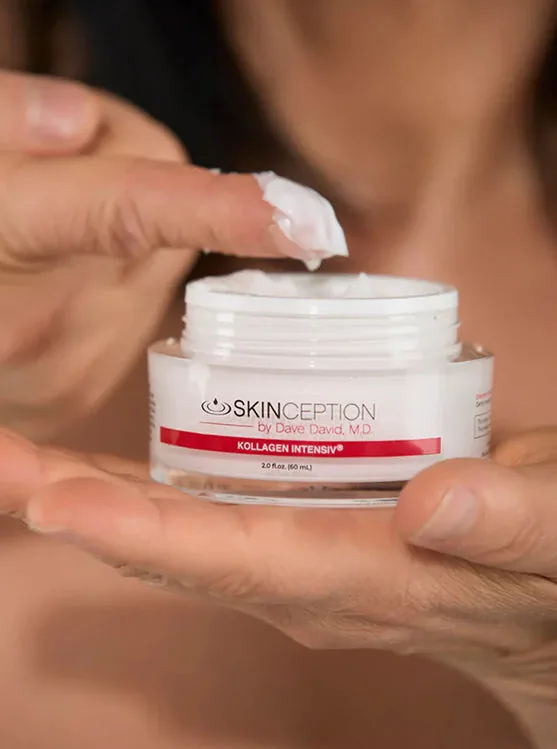
Kollagen Intensiv
Anti-aging cream built around the SYN®-COLL peptide, with retinol, hyaluronic acid and vitamin C.
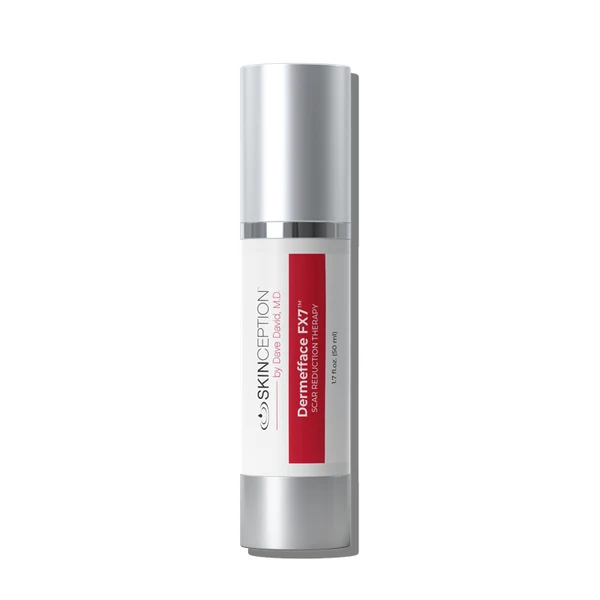
Dermefface FX7
Scar-reduction gel-cream built around the skin's 28-day renewal cycle.
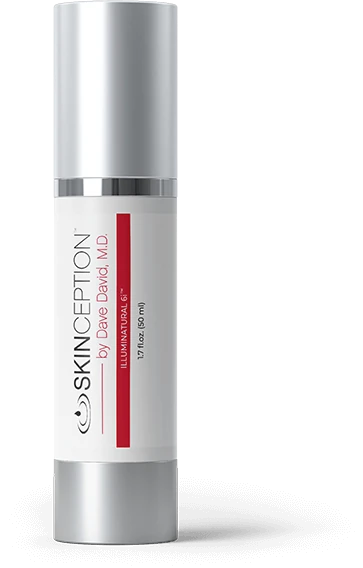
Illuminatural 6i
Brightening serum with six actives at published percentages — no hydroquinone or mercury.
Ready to Try KeraFirm Pro?
60-day money-back guarantee · Brush-on nail & skin oil · US, CA, UK, IE, AU & NZ