Best Skin Care Supplements 2027
The best skin care supplements are judged the way we judge everything here: by dose, evidence, and honest timelines — not before-and-after photos. This hub is our complete buying guide to the category, covering collagen, hydration and antioxidant strategies, with every product below fully reviewed, scored and priced — and zero invented picks.
Our Reviewed Skin Care Picks for 2027
Every product below has a full, independent review on this site — label analysis, ingredient evidence, real pricing, guarantee terms and safety notes — scored against the framework on this page. Our top-rated pick is Kollagen Intensiv (4.3/5), a peptide-and-retinol anti-aging cream; Dermefface FX7 (4.2/5) covers scar care, and Illuminatural 6i (4.1/5) covers brightening and dark spots. Three different jobs, three separate formulas — read the review that matches your goal before buying anything.
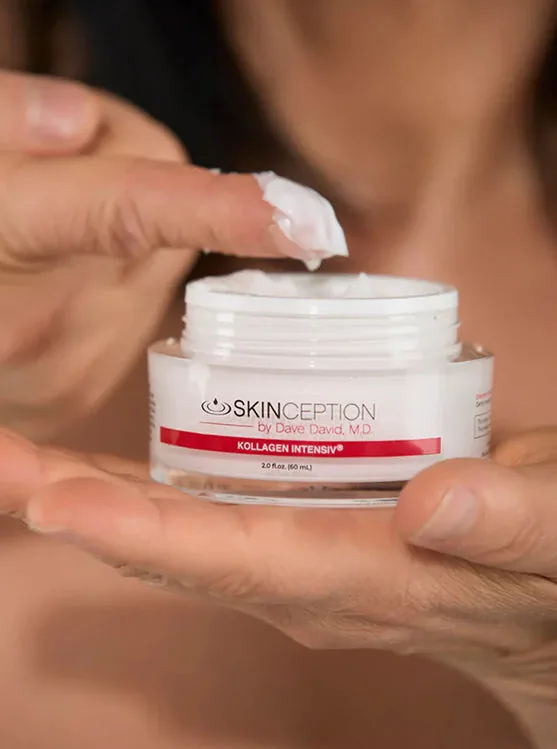
Kollagen Intensiv
Anti-aging cream with SYN-COLL peptides, retinol & hyaluronic acid. 2 oz jar, 67-day guarantee.
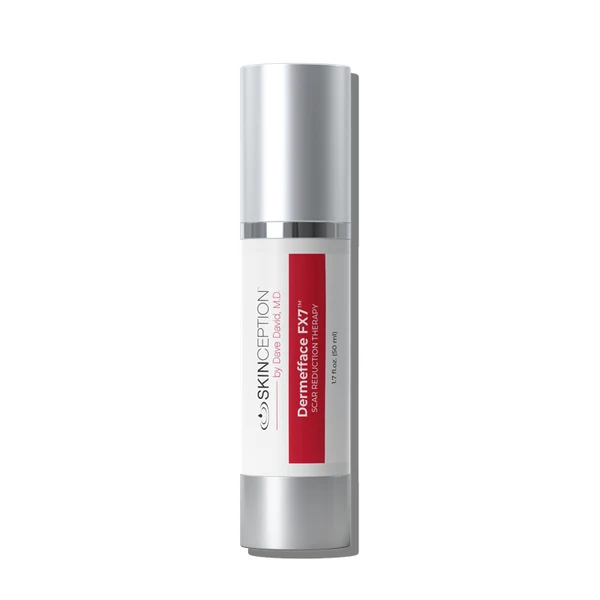
Dermefface FX7
Scar Reduction Therapy pump with Niacinamide, Panthenol & Allantoin. For new and established scars, money-back guarantee.
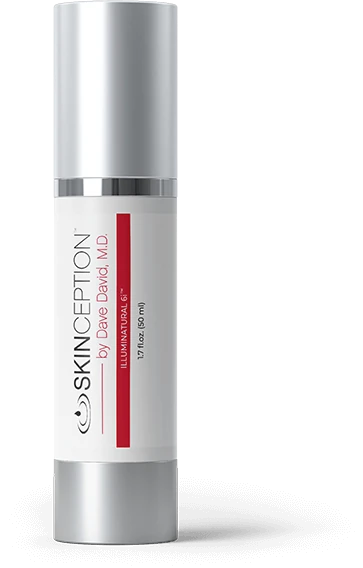
Illuminatural 6i
Skin brightening serum with Alpha Arbutin, Niacinamide & Whitonyl. 50 ml pump, 67-day guarantee.
Our top skin care pick: Kollagen Intensiv — 4.3/5. It earns the category's highest score with a fully disclosed peptide formula (SYN-COLL, retinol, hyaluronic acid), honest per-jar pricing and a 67-day guarantee that covers a real trial window. The full reviews above are the same format as our weight loss and male enhancement hubs — and our guide on how to spot fake supplement reviews explains the ranked-list practices we refuse to use.
How Skin Care Supplements Actually Work
Topical skin care works on the surface. Supplements work — to the extent they work at all — from the supply side: giving the body the raw materials and protective compounds it uses to build and maintain skin. Skin is mostly collagen, a protein scaffold that thins by roughly one percent a year from early adulthood, which is why firmness and elasticity fade. Three supplement strategies follow from that biology.
1. Structural support: collagen and its builders
Hydrolyzed collagen peptides are collagen broken into short chains that survive digestion and signal the body to produce its own collagen. Vitamin C is the essential co-factor in that production — without it, collagen synthesis stalls, which is why serious formulas pair the two. This is the best-evidenced strategy in the category, and it is a slow one: the studies that find measurable changes in hydration and elasticity run eight to twelve weeks.
2. Hydration support
Hyaluronic acid holds water in tissue, and oral hyaluronic acid and ceramides are marketed at skin moisture and barrier support. The evidence is thinner than collagen's — smaller trials, shorter runs — but the mechanism is plausible and the ingredients are well tolerated. Hydration support will not change skin structure; at best it helps skin hold water more effectively, which shows up as texture and comfort rather than firmness.
3. Antioxidant protection
Resveratrol, astaxanthin, CoQ10 and plain vitamin C and E are sold on protection: neutralising the free radicals generated by UV exposure and pollution that degrade collagen over time. Think of this as defence, not repair — and note carefully that no oral antioxidant makes sunscreen optional. UV protection from the outside remains the single most effective anti-aging step known, supplement or not.
Skin Care Ingredient Glossary
When our reviews land, each formula will be broken down ingredient by ingredient against this glossary. Use it now to read any label in the category.
| Ingredient | What it is | What to check on the label |
|---|---|---|
| Collagen peptides (Type I) | Hydrolyzed collagen, usually marine (fish) or bovine; the main structural protein of skin | Grams per serving — studies use roughly 5–10 g/day; source, for allergy reasons |
| Vitamin C | Essential co-factor for collagen synthesis; antioxidant | Present alongside collagen; dose in mg, not just "included" |
| Hyaluronic acid | Water-binding molecule naturally present in skin | Dose in mg; claims should be about hydration, not structure |
| Ceramides | Lipids that form the skin barrier and limit water loss | Source (rice, wheat, konjac); wheat source matters for gluten-sensitive readers |
| Biotin | B-vitamin marketed for skin, hair and nails | Dose — very high doses can distort lab-test results; deficiency is rare |
| Astaxanthin / Resveratrol | Plant and algae antioxidants sold for UV and aging defence | Dose in mg; defence claims only — never a sunscreen substitute |
How to Choose a Skin Care Supplement: The Checklist
- Start with the dose, not the ingredient list. A collagen product under a gram per serving is a label decoration. Research-range doses are 5–10 g of peptides daily.
- Check the collagen source and type. Type I is the skin type. Marine, bovine, porcine and eggshell sources matter for allergies and dietary choices.
- Require vitamin C in the formula — or in your diet. Collagen synthesis needs it; a collagen-only product assumes you cover it elsewhere.
- Match the guarantee to the biology. Skin needs 8–12 weeks. A 30-day guarantee on a 12-week product is not a real trial.
- Keep sunscreen non-negotiable. Any routine that trades UV protection for a capsule is going backwards. Supplements complement topical care; they never replace it.
- Judge with dated photos. Same light, same angle, every two weeks. Memory and mirrors are unreliable over a 12-week timeline.
For the general framework behind this checklist, read what to look for in a supplement and how we test and rate supplements — every skin care review we publish will follow that published methodology, and its scores will be explainable from it.
Skin Care Supplement Safety
Supplements are not medicines and are not evaluated by the FDA for safety or effectiveness before sale. Category-specific points: collagen is an animal-derived protein for most products — fish, cattle, pig or eggshell sources must be checked against your allergies and dietary rules, and genuinely vegan "collagen" products do not contain collagen at all (they contain builder nutrients, which is a different claim). High-dose biotin can interfere with common blood tests, including thyroid and cardiac markers — tell your clinician you take it before any lab work. Antioxidant megadoses are not automatically safer or better. Talk to your doctor before starting any supplement if you are pregnant or nursing, take medication, or manage a medical condition, and see a dermatologist for any changing mole, lesion or persistent skin condition — supplements are not a route for diagnosing skin problems. Our supplement safety guide covers the full checklist. This page is information, not medical advice.
Explore the Other Categories
Weight Loss
Fat burners, appetite & metabolism support
2 productsMale Enhancement
Vitality, testosterone & performance
5 productsSkin Care FAQ
What is the best skin care supplement in 2027?
On this site, Kollagen Intensiv (4.3/5) is our highest-rated skin care review, followed by Dermefface FX7 (4.2/5) and Illuminatural 6i (4.1/5). Each score comes from the same published criteria used in every category: disclosed ingredients, honest pricing and a real guarantee. Read the full reviews and compare formulas, formats and per-month costs before choosing.
Do skin care supplements actually work?
The best-studied ingredient is hydrolyzed collagen peptides: several trials report modest improvements in skin hydration and elasticity after 8 to 12 weeks of daily use. Vitamin C supports collagen synthesis, and hyaluronic acid and ceramides have smaller, developing evidence bases. Effects are gradual and partial — supplements support skin from within, but they do not lift, fill, or reverse aging, and they do not replace sunscreen or topical care.
How long do skin supplements take to show results?
Plan on 8 to 12 weeks of consistent daily use before judging any skin supplement. Skin renews on a cycle of roughly a month, and the collagen studies that show measurable changes run for at least 8 weeks. Judge by hydration, texture and elasticity — ideally with dated photos in the same light — not by a single mirror check after a fortnight.
Collagen powder, capsules or gummies — which is best?
The form matters less than the dose. Collagen studies typically use 5 to 10 grams of peptides a day, which a powder delivers easily and a capsule or gummy usually cannot without a handful of servings. Check the grams of collagen per serving on any label: if the serving is under a gram, the format is the product's main feature, not the collagen. Powders are the practical choice for research-range doses.
Are skin care supplements safe?
Collagen, vitamin C, hyaluronic acid and biotin are generally well tolerated, but 'generally' is not 'for everyone'. Collagen is sourced from fish, cattle, pigs or eggshell — check the source if you have allergies. High-dose biotin can distort common lab-test results, including thyroid and cardiac tests, so tell your doctor you take it. Pregnant or nursing readers and anyone on medication should talk to a doctor first, as with any supplement.
What should I look for in a skin care supplement?
Look for the collagen type and source (type I for skin, marine or bovine), the grams per serving, vitamin C included for synthesis support, a full disclosed label rather than a beauty blend, and a written guarantee that covers at least an 8-week trial. Be suspicious of 'Botox in a bottle' language and before-and-after photos. Our guide on what to look for in a supplement applies to this category unchanged.