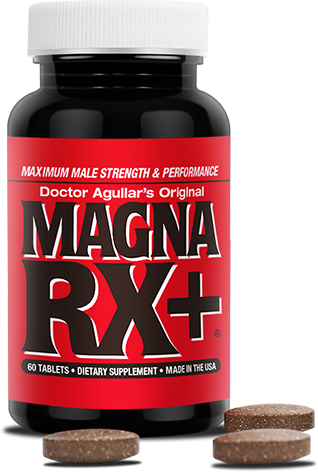
MagnaRX Review 2027
A twice-daily tablet system with 16 label-listed ingredients — Pygeum, Maca, Horny Goat Weed, oyster extract and orchic substance — from one of the category's oldest brands.
Our Verdict: 4.1/5 — A veteran system with an old-school label. MagnaRX does one thing most of this category refuses to do: its published label lists 16 active ingredients with amounts, retrievable in the NIH Dietary Supplement Label Database. That earns real credit. It is held to 4.1 by size-led marketing we do not endorse, a formula containing animal-derived orchic substance and oyster extract, several low-dose passengers, and no published trial of the finished product.
On this page
What Is MagnaRX?How Does It Work?Ingredients Deep DivePros & ConsWho Should / Should Not Take ItHow to Use for Best ResultsMagnaRX vs AlternativesSide Effects & SafetyPricingFAQWhat Is MagnaRX?
This MagnaRX review covers Magna RX+ — a daily male enhancement dietary supplement in tablet form, sold through the vendor's own website as the "Magna RX+ Penis Enhancement System." Each bottle contains 60 tablets, and the label directions are two tablets daily — one bottle is a 30-day supply. The vendor attributes the formula to George Aguilar, MD, a urologist it describes as board certified, and states the product has been used by over a million men worldwide. Those are the vendor's claims, repeated here as vendor claims.
The disclosure that has to come first mirrors every review on this site: the vendor markets MagnaRX around penis enhancement — size, length and girth. Our position is unchanged: no supplement is reviewed or recommended for permanent size change, because there is no credible evidence a pill can do that. The vendor's own explanation — that increased blood-vessel capacity and fuller erections change how an erection presents — is at most an argument about erection fullness while taking the product, and even that is unproven at product level. What follows reviews MagnaRX as a blood-flow and virility formula: its label, its routine, its price, its guarantee and its safety profile.
The label is where MagnaRX gets interesting. Where most rivals hide behind a proprietary blend, the published Magna RX+ label — recorded in the NIH Dietary Supplement Label Database — lists 16 active ingredients with amounts: Pygeum Africanum far in front, then Maca, Horny Goat Weed (Epimedium), oat straw, oyster extract, L-Arginine, Catuaba, Oriental ginseng, stinging nettle, cayenne, Muira Puama, orchic substance, Smilax officinalis, licorice, pumpkin seed and astragalus. Two of those — oyster extract and orchic substance — are animal-derived, which matters to vegetarian buyers and to anyone with a shellfish allergy, and which some third-party listings of this product get wrong. Label versions vary over time and by market, so the current label on the vendor page is the final authority; the database label is the most complete published version we could review.
MagnaRX is also one of the category's genuine veterans, sold for many years under the same name. Longevity cuts both ways here, as it does everywhere on this site: a named, persistent brand with a published label and a guarantee is easier to vet than a pop-up — and a long-selling formula can still be a mixed bag of well-dosed staples, token inclusions and ingredients chosen for another era's marketing. The deep dive grades each one separately, because "in the formula" and "present at a meaningful amount" are different statements.
How Does MagnaRX Work?
The vendor's mechanism story is the standard one for this category, told through the anatomy of the erectile chambers: blood flow in, fullness and firmness out. Underneath it, the label works on three tracks.
The prostate track: the label's unusual lead
Most male formulas lead with a libido herb. MagnaRX's label leads, by a wide margin, with Pygeum Africanum (582.4 mg) — the bark of the African plum tree, used for decades in Europe for urinary symptoms associated with an enlarged prostate — supported by stinging nettle (87.64 mg) and pumpkin seed (23.24 mg), both traditional prostate-bench ingredients. The logic is contextual rather than direct: prostate comfort, urinary flow and sexual confidence are closely linked in older men, and a formula designed by a urologist — the vendor's framing — plausibly starts there. Pygeum is not an erection ingredient, and we do not grade it as one; it is a prostate-support lead in a product whose buyers skew older.
The circulation track
The blood-flow bench is Horny Goat Weed (Epimedium, 232.4 mg), whose compound icariin shows mild PDE5-related activity in laboratory research; L-Arginine (117.6 mg), the nitric-oxide raw material; Oriental ginseng (117.6 mg), the category's best-researched botanical for sexual function; cayenne (58.24 mg), a circulation-associated spice; and oyster extract (226.24 mg), a natural source of zinc and amino acids traditionally used for male vitality. The pattern is coherent; the doses are moderate — arginine, in particular, sits far below the gram-level amounts used in its human trials, which caps what this track can honestly claim.
The libido and tonic track
Desire and stamina are carried by Maca (291.2 mg), the Peruvian root with small human trials supporting a libido effect; Catuaba (117.6 mg) and Muira Puama (58.24 mg), the Amazonian traditional aphrodisiacs; oat straw (231 mg), a traditional tonic; Smilax officinalis (29.12 mg), a traditional sarsaparilla-family botanical; astragalus (23.24 mg), a general vitality tonic; licorice (23.24 mg), a traditional formula-balancing herb with modern cautions (see safety); and orchic substance (58.24 mg), an animal-derived glandular ingredient from an older supplement tradition, included on a "like supports like" rationale that modern evidence does not support in any measurable way. It is the formula's most old-fashioned inclusion, and buyers deserve to know it is there — which, to the label's credit, they can, because it is printed.
The timeline
This is a daily system product, framed by the vendor around results over "a few short weeks" of consistent use. There is no on-demand use and no single-tablet effect to judge it by. Our grading matches our standard for the category: take it daily as directed, judge trends over 30 to 60 days, and let the money-back guarantee window be the deadline for the decision. Any seller promising faster transformation from a daily botanical tablet is misrepresenting the product category, whatever the brand.
What's Inside MagnaRX? Ingredient Deep Dive
The amounts below are the per-serving figures from the published Magna RX+ label recorded in the NIH Dietary Supplement Label Database — the most complete version available for review. Published listings of the product vary slightly between versions and markets (some list Tribulus and boron, for example), and labels get revised, so check the vendor page for the current label before you buy. What the database label does prove is the thing itself: this vendor publishes amounts, and most of its competitors do not.
1. Pygeum Africanum — 582.4 mg
What it is. Pygeum is the bark extract of the African plum tree, used in European phytotherapy for decades for urinary symptoms linked to an enlarged prostate.
What published research says. Pygeum has a modest clinical literature for urinary symptoms — frequency, night-time urination, flow — with reviews finding small improvements versus placebo. It has no meaningful direct evidence for erectile function. In this formula it is the prostate-context lead, and at 582.4 mg it is present at an amount in line with the servings used in its own literature — a genuinely dosed inclusion.
Dose in product vs. studied dose. Prostate studies typically use 75–200 mg of standardised extract, sometimes in divided programs; the label figure here is larger and covers the whole serving's lead position. Standardisation differs between products, so check the vendor page for the current label — but on amount alone, this is the label's most credible line.
2. Maca — 291.2 mg
What it is. Maca is a Peruvian root used for centuries for fertility, energy and sex drive.
What published research says. Small human trials support a libido effect that appears independent of hormone changes — one of the more credible desire findings in the botanical literature. Direct evidence for erectile function is weaker than for desire.
Dose in product vs. studied dose. Libido trials typically use 1.5–3 g of root powder daily, well above the 291.2 mg here. Extract concentration may narrow the gap, but equivalence cannot be assumed — check the vendor page for the current label and extract details.
3. Horny Goat Weed (Epimedium) — 232.4 mg
What it is. A leafy plant whose key compound, icariin, is the most pharmacologically interesting molecule in traditional male formulas.
What published research says. In laboratory and animal research, icariin shows mild PDE5-inhibiting and nitric-oxide-related activity — the same target family as prescription ED drugs, far weaker, with limited human evidence. Vendor sources also note Epimedium can cause stomach aches, nausea or dizziness in some users. Plausible ingredient; not a natural drug.
Dose in product vs. studied dose. No established human studied dose exists, and the effect depends on icariin standardisation, which the database label does not state. At 232.4 mg the serving is at least substantial for a blend — check the vendor page for the current label.
4. Oat Straw — 231 mg
What it is. Oat straw is the green stem of the oat plant (Avena sativa), a traditional nervine tonic long used in male formulas.
What published research says. Modern human evidence for oat straw for sexual function is essentially absent; what exists is traditional use and general nervous-system tonic positioning. It is a harmless traditional inclusion that should carry no weight in a buying decision.
Dose in product vs. studied dose. No studied dose exists for this purpose. At 231 mg it occupies real space in the serving, which is worth noting in a formula whose proven ingredients are dosed more modestly — check the vendor page for the current label.
5. Oyster Extract — 226.24 mg
What it is. An extract of oyster meat — a natural source of zinc, amino acids (including taurine) and trace minerals, traditionally associated with male vitality.
What published research says. Oysters' reputation rests largely on their zinc content, and zinc matters for testosterone and sperm production where deficiency exists. There is no direct trial evidence for oyster extract for erectile function. Two practical flags: it is a shellfish allergen, and it makes the product unsuitable for vegetarians.
Dose in product vs. studied dose. No studied dose exists for this purpose. The amount, 226.24 mg, is disclosed — check the vendor page for the current label, especially if shellfish allergy is a concern.
6. L-Arginine — 117.6 mg
What it is. The amino acid the endothelium converts toward nitric oxide, the blood-vessel-relaxing signal behind erections.
What published research says. Arginine has a real human literature: a meta-analysis of ED trials found improvements versus placebo in some studies. The mechanism is not in doubt; the issue is always dose.
Dose in product vs. studied dose. Trials use roughly 1.5–5 g per day — ten to forty times the 117.6 mg listed here. At this amount, arginine is a supporting gesture toward the pathway, not a clinical dose. That gap is the clearest example on this label of disclosure cutting both ways: the number is published, and the number is small. Check the vendor page for the current label.
7. Catuaba — 117.6 mg
What it is. A Brazilian tree bark with a long traditional use as a libido and energy tonic.
What published research says. Modern human evidence is very limited — traditional use, animal work and laboratory antioxidant research. A reasonable traditional inclusion whose individual effect in humans is unproven.
Dose in product vs. studied dose. No established human studied dose exists. Judge it as part of the blend, over a consistent trial — check the vendor page for the current label.
8. Oriental Ginseng — 117.6 mg
What it is. Panax ginseng, the East Asian root with the strongest human research base of any botanical in this category.
What published research says. A Cochrane review of randomised trials in men with ED found ginseng may improve self-reported ability to have intercourse, rating effects as small and certainty as low. Real research, modest effects — the best evidence file on this label.
Dose in product vs. studied dose. Trials use varying preparations, commonly higher in daily extract terms than 117.6 mg. Extract strength matters more than raw milligrams, and the label does not state standardisation — check the vendor page.
9. Stinging Nettle — 87.64 mg
What it is. Nettle root is a traditional prostate-bench botanical, commonly paired with saw palmetto and pygeum in European prostate formulas.
What published research says. Nettle root has clinical research in benign prostate symptoms, usually in combination products, with modest results. It has no direct evidence for erectile function; its role here is prostate-context support alongside the Pygeum lead.
Dose in product vs. studied dose. Prostate combination studies use a few hundred milligrams of root extract daily; 87.64 mg is a supporting amount. Check the vendor page for the current label.
10. Cayenne — 58.24 mg
What it is. Cayenne pepper, whose capsaicin is associated with circulation and metabolic effects and is used in traditional formulas as a "carrier" herb.
What published research says. Capsaicin has genuine vascular and metabolic research behind it in other contexts; for sexual function the rationale is indirect circulation support. It can irritate the stomach, and concentrated capsaicin is a caution alongside blood-thinning medication.
Dose in product vs. studied dose. No studied dose exists for this purpose. At 58.24 mg it is a minor supporting inclusion — check the vendor page for the current label.
11. Muira Puama — 58.24 mg
What it is. An Amazonian bark known as "potency wood," with a long traditional reputation for male vitality.
What published research says. Small, older human studies suggest possible libido and erectile benefits on a modest evidence base. More than folklore, well short of proof.
Dose in product vs. studied dose. The small studies' preparations do not translate cleanly to a 58.24 mg blend serving, and no standard dose is established. Check the vendor page for the current label.
12. Orchic Substance — 58.24 mg
What it is. Orchic substance is an animal-derived glandular preparation (from bovine testicular tissue), from the older glandular-therapy tradition in supplements.
What published research says. There is no credible human evidence that orally consumed glandular tissue supports the corresponding human organ — the rationale is historical, not scientific, and orally taken proteins are digested like any other. We list it prominently because buyers deserve to know two things: the evidence is absent, and the product is not vegetarian. Its inclusion is a window into this formula's era.
Dose in product vs. studied dose. No studied dose exists. At 58.24 mg it is a small part of the serving — check the vendor page for the current label, and if animal-derived ingredients rule a product out for you, this line ends the decision.
13. Smilax Officinalis — 29.12 mg
What it is. A sarsaparilla-family botanical used traditionally as a tonic and "blood purifier" in herbal practice.
What published research says. There is no meaningful modern human evidence for Smilax for sexual function. It is a traditional formula-balancing inclusion at a token amount.
Dose in product vs. studied dose. No studied dose exists; 29.12 mg is the second-smallest active on the label. Check the vendor page for the current label.
14. Licorice — 23.24 mg
What it is. Licorice root, a traditional harmonising herb in classical formulas, containing glycyrrhizin.
What published research says. Licorice's modern literature is mostly a caution: glycyrrhizin at sustained meaningful doses can raise blood pressure and lower potassium. At 23.24 mg the amount is small, but men with high blood pressure or on diuretics should note its presence — one more reason the label's transparency matters.
Dose in product vs. studied dose. No studied dose for this purpose; the safety literature concerns much larger, sustained intakes. Check the vendor page for the current label.
15. Pumpkin Seed — 23.24 mg
What it is. Pumpkin seed is a traditional prostate and urinary botanical, rich in zinc and plant sterols as a whole food.
What published research says. Pumpkin seed has research in prostate and urinary symptom contexts, generally at food-level or oil-level servings far above 23.24 mg. As an extract amount here, it is a supporting nod to the prostate track, not a dosed intervention.
Dose in product vs. studied dose. Studied servings are gram-level (seed or oil). The gap is large; judge it as label colour, not contribution — check the vendor page for the current label.
16. Astragalus — 23.24 mg
What it is. A traditional Chinese tonic root used for immune and vitality support.
What published research says. Astragalus has a broad traditional and preclinical literature and essentially no direct human evidence for sexual function. In this blend it is a general-tonic passenger at the label's smallest amount.
Dose in product vs. studied dose. No studied dose for this purpose; 23.24 mg is token in scale. Check the vendor page for the current label.
The formula, stated plainly
Stepping back: MagnaRX is a prostate-led, broad-spectrum botanical system from the category's earlier era — one genuinely dosed lead (Pygeum), a midfield of recognisable ingredients at modest amounts (Maca, Epimedium, ginseng), a long tail of token inclusions, and two animal-derived ingredients that modern buyers may reject on sight. The label's transparency is real and worth points; the evidence for the finished product is not there, and the marketing overreaches on size. That is what a 4.1/5 looks like on this site. For the framework behind these judgements, see our guide on what to look for in a supplement.
Pros & Cons
✓ What We Like
- Published amounts for all 16 actives on the label recorded in the NIH Dietary Supplement Label Database — rare transparency in this category
- Pygeum Africanum leads at a genuinely studied scale — a prostate-context lead that matches the product's older core audience
- Recognisable midfield: Maca, Horny Goat Weed and Oriental ginseng are legitimate category ingredients with at least some human research
- Simple routine: two tablets a day, 60 per bottle, one bottle per month
- Money-back guarantee on direct orders (67 days in the most recent published check of the vendor's page)
- Long-sold product from a named brand with stated pricing — easier to vet than a pop-up label
- No stimulant-class botanicals and no hormone precursors — a gentler caution profile than ExtenZe's blend
– What Could Be Better
- Contains animal-derived orchic substance and oyster extract — not vegetarian, and oyster is a shellfish allergen
- Several ingredients are token at the listed amounts (L-Arginine 117.6 mg vs. gram-level trial doses; pumpkin seed and astragalus at ~23 mg)
- Vendor marketing leads with penis size claims that no supplement can be shown to deliver — we do not endorse them
- No published clinical trial of the finished product; the urologist-designed framing is the vendor's claim, not independent validation
- Licorice in the formula is a needless complication for men with high blood pressure, even at a small amount
- Published pricing and package structures vary between listings — you must confirm the current offer on the vendor page
- Not a treatment for erectile dysfunction: persistent ED needs a medical evaluation, not a tablet system
Who Should / Should Not Take It
MagnaRX may be a reasonable fit if you: are an adult man, likely in the older half of the category's audience, who wants a broad daily botanical system with a prostate-support angle; value a label that publishes its amounts — even where those amounts invite criticism; are comfortable with animal-derived ingredients; and are willing to take two tablets daily for at least a month and judge the product honestly against the guarantee window. Men who have been aware of this brand for years and want to know what is actually in it are exactly who this review is written for.
Think twice or talk to your doctor first if you: take any prescription medication — especially nitrates, blood-pressure or heart medication, blood thinners, diabetes medication or diuretics (licorice); have high blood pressure, a heart, prostate or hormone-related condition, or kidney or liver disease; have a shellfish allergy (oyster extract); or are scheduled for surgery. This product is for adult men only.
MagnaRX is not the right product if: you are vegetarian or vegan, or simply unwilling to take animal glandular ingredients — the orchic substance line ends the decision, and a botanical-only formula such as VigRX Plus is your shelf; you are buying it for permanent size increase — no pill on this site is sold for that; you have persistent erectile dysfunction and have not seen a doctor — ED can be an early warning sign of cardiovascular disease or diabetes; or you want weight loss — this is a male enhancement product, full stop (see our JellyThin review).
How to Use MagnaRX for Best Results
Follow the vendor label first. The serving size and directions are set by the vendor — follow the directions on the label or the vendor page, not advice from a review, including this one. Label directions are two tablets daily. The general guidance below is educational only.
- Take two tablets a day, consistently. This is a daily system product. There is no on-demand use, and doubling up before intimacy is neither the design nor a safe improvisation.
- Judge it over weeks, not nights. The vendor frames results over a few short weeks; our standard for the category is a 30-to-60-day consistent trial, judged on trends. Single nights are noise.
- Fix the foundations in parallel. Sleep, cardiovascular fitness, weight, alcohol, smoking and stress all directly affect erection quality, libido and urinary comfort. They will do more for most men than any tablet system.
- Track the right things, weekly. Brief weekly notes: desire, erection consistency, stamina, urinary comfort, and any side effects — stomach irritation (cayenne, Epimedium) and blood-pressure symptoms deserve specific attention with this label.
- Do not stack blindly. If you already take a prostate formula (saw palmetto, pygeum, nettle) or a vitality product, you may be doubling ingredients and cautions. One formula per purpose, and never combine a vitality supplement with prescription ED medication or nitrates without your doctor's explicit approval.
- Watch the guarantee terms before the window, not after. Confirm the current guarantee window and return conditions on the vendor page when you order — published checks have shown both 67- and 60-day figures — and keep your packaging and order details until it closes.
MagnaRX vs Alternatives
MagnaRX competes against the other male enhancement products reviewed on this site — most directly ExtenZe, the other veteran brand in this batch, and VigRX Plus, the category's disclosure benchmark.
| Product | Formula | Format | Price (observed) | Best For |
|---|---|---|---|---|
| MagnaRX — 4.1/5 | 16 label-listed actives with amounts: Pygeum (582.4 mg), Maca (291.2 mg), Epimedium (232.4 mg), oat straw (231 mg), oyster (226.24 mg), arginine, Catuaba & ginseng (117.6 mg each), nettle, cayenne, Muira Puama, orchic substance, Smilax, licorice, pumpkin, astragalus | Tablets, 2 per day, 60 per bottle | ~$59.95 single bottle; ~$48/bottle on 6-pack (listings); money-back guarantee | Men who want a prostate-led veteran formula with published amounts — and accept animal-derived ingredients |
| VigRX Plus — 4.4/5 | 11 listed ingredients with amounts: ginseng, saw palmetto, hawthorn, ginkgo, damiana (200 mg each), Tribulus (150 mg), Catuaba & Muira Puama (100 mg each), Cuscuta (50 mg), Epimedium (30 mg), BioPerine (10 mg) | Tablets, 1 twice daily, 60 per box | ~$69 single box; ~$49/box on 6-box pack; 67-day guarantee | Men who want botanical-only disclosure without glandular ingredients |
| ExtenZe — 4.1/5 | 15 named ingredients, proprietary blend, no amounts — incl. DHEA, pregnenolone and yohimbe | Gelcaps, 1 per day, 30-day box | $49 single box; $39/box on 6-pack; 67-day guarantee | Men who want one-gelcap simplicity and accept a heavier caution list |
| HorseWood — 4.2/5 | 9 named botanicals: Muira Puama, Longjack, Maca, L-Arginine, Pumpkin Seed, Oat Straw, Sarsaparilla, Boron, Nettle — doses not disclosed | Capsules, 1 per day | From $49/bottle on 6-pack; 60-day guarantee | Men who want a modern botanical capsule without glandulars |
MagnaRX vs VigRX Plus: two disclosed labels, different centuries of thinking. VigRX Plus (4.4/5) publishes amounts for a botanical-only formula led by Korean red ginseng, with a BioPerine absorption aid and a clear 67-day guarantee. MagnaRX publishes amounts too — and its label reveals a prostate-led system with animal-derived ingredients and several token doses that VigRX Plus's tighter 11-ingredient label avoids. If the glandular lines rule MagnaRX out for you, the decision makes itself; if they don't, the choice is between MagnaRX's prostate angle and VigRX Plus's cleaner evidence bench.
MagnaRX vs ExtenZe: the veteran-versus-veteran pairing. ExtenZe (4.1/5) is simpler to take (one gelcap) and cheaper at entry ($49), but hides every amount and carries DHEA, pregnenolone and yohimbe. MagnaRX takes two tablets and costs more, but prints its amounts and avoids hormone precursors and stimulant-class botanicals entirely. On caution profile, MagnaRX is the gentler product; on transparency of a different kind — knowing what a formula is trying to do to your hormones — ExtenZe demands more trust than its label earns.
MagnaRX vs prescription treatment: not a like-for-like comparison, and never frame it as one. Prescription ED medicines are proven, targeted drugs prescribed after a medical evaluation. MagnaRX is a general wellness system with traditional ingredients and no product-level trial. If you have diagnosed or persistent erectile dysfunction — or prostate symptoms, which deserve their own workup — start with a doctor. For how we weigh claims like these across every product, see how we test and rate supplements.
Side Effects & Safety
Published sources describe no established side-effect profile for the finished product, and the vendor's own materials are light on warnings — check the vendor page for the current label before you buy. Based on the ingredient list, the points a buyer should know are these. Mild digestive upset is the ordinary complaint for concentrated botanical tablets; cayenne can add stomach irritation, and Epimedium is reported in vendor-adjacent sources to cause stomach aches, nausea or dizziness in some users. Licorice, even at this label's small amount, is the ingredient men with high blood pressure or on diuretics should register, because glycyrrhizin can raise blood pressure and lower potassium at sustained doses. Ginseng can affect blood sugar and blood pressure and interacts with several medicine classes. Stop using the product and seek medical advice if you experience an allergic reaction, chest pain, dizziness, fainting, a prolonged or painful erection, or any persistent or concerning symptom.
Two label lines are safety-relevant in a different way. Oyster extract is a shellfish allergen — men with shellfish allergies should not take this product without medical advice. Orchic substance is an animal-derived glandular ingredient; beyond the evidence question, it is a sourcing and dietary-ethics question each buyer answers for himself, and it means the formula is not vegetarian whatever third-party listings claim. Circulation ingredients generally are a reason never to combine this product with nitrate medication or prescription ED drugs without explicit medical approval.
Who must consult a doctor. Talk to your doctor before starting MagnaRX if you take any prescription medication — especially nitrates, blood-pressure or heart medication, blood thinners, diabetes medication or diuretics — or if you have high blood pressure, cardiovascular disease, a prostate or hormone-related condition, kidney or liver disease, a shellfish allergy, or any chronic medical condition. Tell your surgical team about it if you are scheduled for surgery. This product is for adult men only.
Buying safely. Buy through the vendor's own website. Long-sold brands are precisely what counterfeiters copy, and marketplace or reseller stock is where fake and expired product concentrates; the money-back guarantee only applies to direct orders. For a broader checklist on vetting any supplement seller, see our supplement safety guide.
This page is not medical advice. Supplements are not medicines and are not evaluated by the FDA for safety or effectiveness before sale. Review the full ingredient list on the vendor's site and talk to your doctor before starting any supplement, especially if you are taking medication or managing a medical condition.
MagnaRX Pricing
| Package | Price (observed) | Per Bottle |
|---|---|---|
| 1 bottle (60 tablets · 30-day supply) | ~$59.95 | ~$59.95 |
| 3 bottles (90-day supply) | ~$154.95 | ~$51.65 |
| 6 bottles (180-day supply) | ~$289.95 | ~$48.33 — best value |
Prices above are those consistently shown across published listings of the vendor's offer; individual listings vary in their package structures (some show two-bottle and twelve-bottle options, and different bonus bundles), and published checks describe free USA shipping on orders. Prices, bonuses and bundle maths change — check the vendor page for current pricing before you order. The trial maths: a fair trial of a daily system runs one to two bottles, and direct orders are backed by a money-back guarantee — most recently observed as 67 days on the vendor's product page, with some older listings describing 60 days — so confirm the current window and return conditions at checkout and keep your packaging and order details until it closes.
Our Final Verdict
4.1/5 — A veteran system with an old-school label. MagnaRX earns its score the hard way: a published label with amounts, a prostate-led design that suits its audience, and a guarantee behind it. It loses the same points it earns — the label reveals animal-derived ingredients and token doses alongside the credible ones — and its size-led marketing overreaches what any tablet can do. For a man comfortable with the formula as printed, it is a defensible, vettable buy. For anyone else, the botanical-only disclosed labels on this site are the better shelf.
MagnaRX FAQ
Does MagnaRX work?
MagnaRX is a dietary supplement, not a medicine. Its published label lists 16 ingredients with amounts — a transparency plus in this category — but the evidence behind most of them is traditional use or preliminary research rather than human trials, and the finished product has no published clinical trial of its own. No supplement is proven to work for everyone. Judge it over weeks of consistent daily use against the guarantee window, and talk to your doctor about persistent erectile problems.
Does MagnaRX increase size permanently?
No supplement on this site is reviewed or recommended for permanent size change, and there is no credible evidence any pill permanently enlarges the penis. The vendor markets MagnaRX as a penis enhancement system; our review assesses it only as a blood-flow and virility supplement, which is the most its ingredient profile could plausibly support. Do not buy it expecting permanent enlargement.
What are the side effects of MagnaRX?
Published review sources report no established side-effect profile for the finished product, but the ingredient list carries specific cautions: licorice can raise blood pressure and lower potassium, cayenne can irritate the stomach, ginseng can interact with diabetes and blood-pressure medication, Epimedium can cause stomach upset or dizziness, and the formula contains oyster extract (a shellfish allergen) and orchic substance, an animal-derived ingredient. Mild digestive upset is the ordinary complaint for blends of this type. This page is not medical advice — read the label and talk to your doctor before starting.
How do I take MagnaRX?
Follow the vendor label first. The label directions are two tablets daily; each bottle contains 60 tablets, a 30-day supply. Do not exceed the label dose, and check the vendor page for the current directions before you start, as label versions vary.
How much does MagnaRX cost?
Published listings for the vendor's offer consistently show about $59.95 for a single bottle (a 30-day supply), with multi-bottle packages reducing the per-bottle cost — around $154.95 for three bottles and around $289.95 for six in the listings we reviewed. Package structures and bonuses vary between listings, so check the vendor page for current pricing before you order.
Is MagnaRX legit or a scam?
MagnaRX is a real, long-sold product with a published ingredient label, stated pricing and a money-back guarantee — not a free-trial trap. The criticisms are substantive but different: the vendor's size-led marketing goes beyond what any supplement can be shown to do, the formula includes animal-derived ingredients some buyers will not want, and there is no published trial of the finished product. Buy only from the vendor's own page so the guarantee applies.
Does MagnaRX have a money-back guarantee?
Yes — published checks of the vendor's offer describe a money-back guarantee; the figure most recently observed on the vendor's product page is 67 days, while some older listings describe 60 days. Read the current guarantee terms on the vendor page before ordering so you know the exact window, what must be returned, and whether shipping is excluded.
Is MagnaRX vegan or vegetarian?
No — not on the published label we reviewed. The formula contains oyster extract and orchic substance, both animal-derived. Some third-party listings describe the product inconsistently, so if animal ingredients matter to you, read the current label on the vendor page carefully before ordering and choose a botanical-only formula if they do.
Where can I buy MagnaRX?
MagnaRX is sold through the vendor's own website. Buying direct is the way to be sure you receive the genuine product, the current pricing and the money-back guarantee. Long-sold brands attract counterfeits, so be wary of marketplace and reseller copies, where the guarantee will not apply.
Who should not take MagnaRX?
Do not start MagnaRX without talking to your doctor if you take any prescription medication — especially nitrates, blood-pressure or heart medication, blood thinners or diabetes medication — or if you have high blood pressure, a heart, prostate or hormone-related condition, kidney or liver disease, a shellfish allergy, or a surgery scheduled. It is for adult men only. Persistent erectile dysfunction can be an early sign of cardiovascular disease or diabetes and deserves a doctor's evaluation in its own right.
You May Also Like
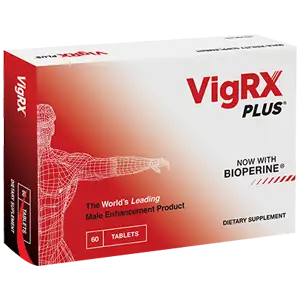
VigRX Plus
Daily tablets with 11 fully disclosed ingredients — ginseng, ginkgo, Epimedium & BioPerine. 67-day guarantee.
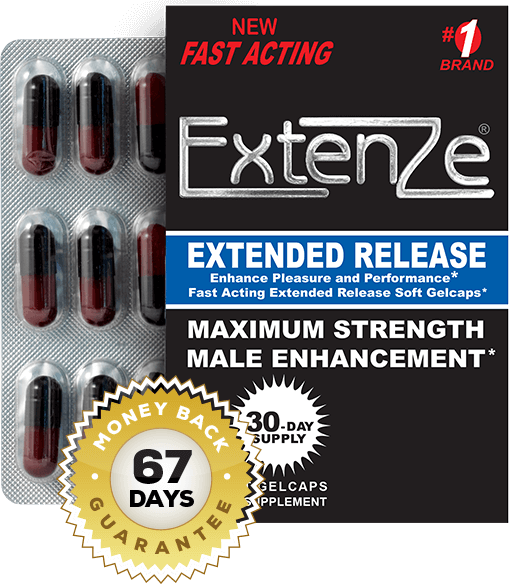
ExtenZe
Once-daily gelcaps with a 15-ingredient proprietary blend. 67-day empty-box guarantee.
Ready to Try MagnaRX?
Money-back guarantee · 60 tablets per bottle · Check the vendor page for shipping to your country