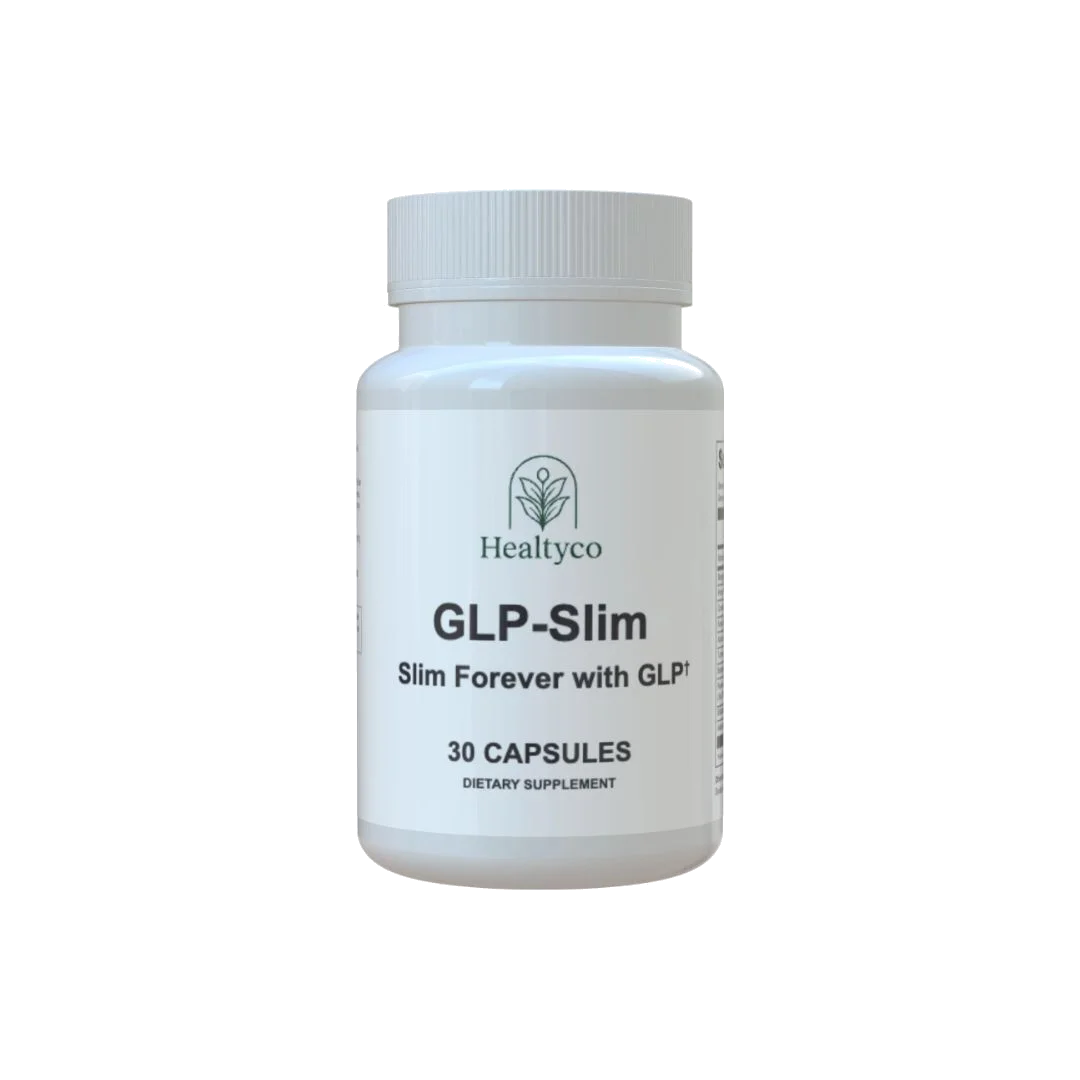
GLP Slim Review 2027
GLP Slim Review 2027: a once-daily capsule that pairs gut-friendly probiotics with fiber and plant extracts to support appetite control. Fully disclosed label, honest pricing — but several key doses look light versus the research.
Our Verdict: 4.2/5 — Recommended with reservations. GLP Slim earns its rating with a fully disclosed label, a sensible stimulant-free formula, and a real 60-day guarantee at a fair bundle price. It loses points because its best-known ingredients — glucomannan and berberine — are dosed far below the amounts used in published research, and because the vendor page leans on testimonials and ratings we could not verify. Buy it for gentle, routine-level support, not for prescription-style appetite suppression.
On this page
What Is GLP Slim?How Does It Work?Ingredients Deep DivePros & ConsWho Should / Should Not Take ItHow to Use for Best ResultsGLP Slim vs AlternativesSide Effects & SafetyPricingFAQWhat Is GLP Slim?
GLP Slim is a weight-management supplement from the brand Healtyco, sold as capsules — 30 capsules per bottle, a one-month supply. Each daily capsule combines konjac root fiber (glucomannan), two probiotic strains, and a set of plant extracts and antioxidants including cinnamon, berberine, turmeric, mangosteen, prickly pear, alpha lipoic acid, and resveratrol, plus vitamin B2 (riboflavin).
The pitch is built around GLP-1, the gut hormone that signals fullness to the brain. Prescription GLP-1 drugs work by mimicking that hormone directly. GLP Slim does nothing of the kind — it contains no prescription drug — but the vendor says its ingredients are chosen to support the body's own GLP-1 activity, alongside appetite, digestion, and metabolic balance. That framing is important to get right, because the name invites a comparison the product cannot live up to: this is a dietary supplement that may gently nudge appetite and digestion, not a pharmaceutical that suppresses appetite by prescription strength.
What GLP Slim does well, and why it earns a 4.2/5 despite the dosing caveats, is transparency. The full per-capsule label is published on the vendor page — every ingredient with its amount, no proprietary blend, no hidden doses behind a trademarked name. The price is stated up front, the guarantee is a 60-day "Empty Bottle" money-back promise, and the formula contains no stimulant on its label. In a category where many products hide behind blends and free-trial traps, that openness is genuinely worth something.
Two honesty flags belong in this section, because they shape how much you should trust the vendor page beyond its label. First, the page shows a buyer rating, review counts, and dramatic weight-loss testimonials (tens of pounds lost) that we could not independently verify — we do not repeat them as facts on this page, and you should not treat them as evidence. Second, parts of the vendor page contain unrelated skin-care copy — a hero line about firming sagging skin and smoothing wrinkles, and a "proven results" section listing skin benefits — which reads as a copy-paste error from another product's page. Neither flag makes the product itself fake, but both are reasons to judge GLP Slim on its label and its guarantee, not on its marketing.
How Does GLP Slim Work?
The vendor's logic runs on three tracks: fullness, gut health, and metabolic balance. Understanding each track separately is the key to judging the product — because the tracks have very different levels of evidence, and the doses matter more than the ingredient names.
The fullness track: fiber that expands, taken before a meal
Glucomannan is a water-soluble fiber from konjac root. When it contacts water, it absorbs many times its weight and forms a viscous gel. Taken before a meal with a full glass of water — exactly how the vendor directs GLP Slim to be used, 15 to 30 minutes before your largest meal — that gel can slow stomach emptying and increase the feeling of fullness, which may help with portion control. This is the most mechanically straightforward claim in the formula, and glucomannan is one of the few weight-management ingredients with a recognized health claim in Europe (EFSA) when used at the right dose with a reduced-calorie diet. The catch, covered in detail in the ingredients section, is dose: the studied dose is roughly 1 gram per meal, while GLP Slim contains 50 mg per capsule. At that level, the fullness effect is likely to be far smaller than the research suggests — a light nudge rather than a strong satiety signal.
The gut track: probiotics and the GLP-1 connection
GLP Slim includes two probiotic strains at 1 billion CFU each: Bifidobacterium bifidum, a well-known gut bacterium, and Akkermansia muciniphila, a mucin-degrading bacterium that has attracted serious research interest for its associations with metabolic health and gut-barrier integrity. The GLP-1 angle lives here: gut microbes and their metabolites can influence the gut cells that release GLP-1 and other satiety hormones, so a healthier gut lining and microbiome could, in principle, support the body's own appetite signaling. This is a genuinely interesting scientific direction, but it is early-stage science. The human evidence for Akkermansia is still emerging, mostly from small trials and observational studies, and a 1-billion-CFU dose is modest by probiotic standards, where studied doses often run to 10 billion CFU or more. Treat this track as plausible background support, not as a proven appetite switch.
The metabolic track: plant extracts for glucose and insulin balance
The remaining ingredients — cinnamon bark, berberine, alpha lipoic acid, turmeric (curcumin), mangosteen, prickly pear, and resveratrol — are all compounds with published research in blood-sugar, insulin-sensitivity, or antioxidant contexts. The idea is that steadier blood sugar after meals means fewer energy crashes and fewer crash-driven cravings, which supports a weight-management routine indirectly. Each of these ingredients has real, if modest, evidence at research doses. The problem, again, is dose: berberine at 15 mg is a fraction of the 900–1,500 mg per day used in metabolic trials, and the same pattern holds for alpha lipoic acid, curcumin, and resveratrol. The formula's logic is coherent, but its doses mean the metabolic track should be read as light, broad-spectrum support rather than a therapeutic-strength intervention.
How the three tracks fit together
Put together, GLP Slim is best viewed as a gentle, multi-angle daily habit: a little fiber before your biggest meal, a modest probiotic input for gut balance, and a spread of plant compounds that may help steady post-meal energy. Nothing in the formula is a proven standalone weight-loss solution, and the combination has not been tested in a published clinical trial of the finished product. If you are already eating sensibly and moving regularly, a product like this might make the routine slightly easier to stick to. If you are not, no capsule will close that gap — and anyone looking for prescription-level appetite suppression should talk to a doctor about medical options rather than expecting a supplement to deliver them.
What's Inside GLP Slim? Ingredient Deep Dive
What we like: the label is fully disclosed — all 11 ingredients with per-capsule amounts, no proprietary blend. What we'd like to see: doses that match the research. The honest headline of this section is that GLP Slim's ingredient selection is thoughtful, but its ingredient doses are, for the most part, well below the amounts used in published studies. That gap is the single most important thing to understand before buying, so each ingredient below is judged on both what the research says and how the product's dose compares.
1. Konjac Root Fiber — Glucomannan (50 mg)
What it is. Glucomannan is a soluble fiber from the konjac root that absorbs water and forms a thick gel in the stomach. It is the most directly relevant ingredient for appetite: the gel slows gastric emptying and increases fullness, which is why it is used as a portion-control aid.
What published research says. Glucomannan has one of the better evidence bases among fiber supplements. The European Food Safety Authority recognizes that glucomannan contributes to weight loss in the context of an energy-restricted diet, and trials showing benefit generally used about 1 gram before each meal (around 3 grams per day), always with plenty of water. Results are modest — small additional losses on top of a reduced-calorie diet, not dramatic ones.
Dose in product vs. studied dose. GLP Slim contains 50 mg per capsule — roughly one-twentieth of the 1-gram per-meal research dose. At 50 mg, the gel-forming effect is minimal, and the fullness benefit is likely to be far smaller than the research suggests. This is the formula's biggest dose gap, and it caps what the product's headline mechanism can realistically deliver.
2. Bifidobacterium bifidum (1 Billion CFU)
What it is. A long-studied probiotic species that colonizes the gut and supports digestive balance and immune function. It is a common, well-tolerated probiotic ingredient.
What published research says. Bifidobacterium strains have reasonable evidence for digestive comfort and gut-barrier support, with studied doses typically in the range of 1–10 billion CFU per day, often as part of multi-strain blends. Effects on weight itself are indirect at best — a healthier gut may support a healthier routine, but probiotics are not fat burners.
Dose in product vs. studied dose. At 1 billion CFU, the dose sits at the low end of the studied range. It is a plausible maintenance-level input for gut balance, not a therapeutic-strength probiotic dose.
3. Akkermansia muciniphila (1 Billion CFU)
What it is. A bacterium that lives in the gut's mucus layer and feeds on mucin, the protein that forms that layer. It has become a focus of metabolic research because people with higher Akkermansia levels tend to show better markers of metabolic health in observational studies.
What published research says. The science is promising but young: small human trials of pasteurized Akkermansia have shown improvements in insulin sensitivity and gut-barrier markers, but the trials are few, small, and short, and none establishes weight loss as a proven outcome. It is an ingredient to watch, not an ingredient to bank on.
Dose in product vs. studied dose. Human trials have generally used around 10 billion cells per day — ten times GLP Slim's 1 billion CFU. Combined with the early state of the evidence, the Akkermansia component should be treated as a forward-looking bonus, not a core reason to buy.
4. Cinnamon Bark Extract (100 mg)
What it is. Cinnamon bark contains polyphenols and cinnamaldehyde, compounds studied for glucose metabolism and insulin sensitivity.
What published research says. Trials of cinnamon for blood-sugar control show small, inconsistent improvements in fasting glucose, mostly in people with type 2 diabetes or prediabetes, at doses typically of 1–6 grams of cinnamon powder or several hundred milligrams of extract per day. The evidence is modest and heterogeneous.
Dose in product vs. studied dose. At 100 mg of extract, the dose is below most studied extract doses, though extracts are more concentrated than powder, so the gap is less extreme than for glucomannan or berberine. Expect, at most, a light contribution to post-meal glucose steadiness.
5. Berberine HCL (15 mg)
What it is. Berberine is an alkaloid from plants such as barberry and goldenseal. It activates AMPK, an enzyme often called the body's "metabolic master switch," and has one of the larger research bases among botanical metabolic compounds.
What published research says. Berberine is genuinely well studied for blood sugar and lipids: meta-analyses of trials using 900–1,500 mg per day show meaningful reductions in fasting glucose and HbA1c, in some comparisons approaching the effect of first-line diabetes drugs. It is also the ingredient most likely to interact with medications, because it affects liver enzymes that process many drugs.
Dose in product vs. studied dose. GLP Slim contains 15 mg — roughly 1–2% of the studied daily dose. At this level, berberine is present in name far more than in effect. Buyers should not expect the blood-sugar benefits reported in berberine trials from this dose, but they should still take the interaction warning seriously and check with a doctor if they take medication.
6. Alpha Lipoic Acid (25 mg)
What it is. A sulfur-containing antioxidant made in small amounts by the body, involved in energy metabolism and studied for insulin sensitivity and nerve health.
What published research says. Trials for insulin sensitivity and diabetic nerve symptoms typically use 300–600 mg per day, with modest benefits reported at those doses. Lower doses have much thinner evidence.
Dose in product vs. studied dose. At 25 mg, the dose is roughly one-twelfth to one-twenty-fourth of the studied range — a light antioxidant contribution, not a metabolic intervention.
7. Turmeric Extract, 95% Curcumin (25 mg)
What it is. Curcumin is the active polyphenol in turmeric, studied for inflammation and antioxidant effects. Standardized 95% extracts are the form used in most trials.
What published research says. Curcumin trials for metabolic and inflammatory markers typically use 500–1,000 mg per day, often with a bioavailability enhancer such as piperine, because curcumin alone is poorly absorbed. Even at those doses, effects on weight are small.
Dose in product vs. studied dose. At 25 mg with no stated bioavailability enhancer, the dose is far below trial levels and absorption is likely poor. Treat it as a token antioxidant input rather than an anti-inflammatory dose.
8. Mangosteen Powder (100 mg)
What it is. Mangosteen fruit contains xanthones, a class of antioxidants studied for inflammation and insulin sensitivity in early research.
What published research says. The evidence is preliminary — mostly laboratory and animal studies, with very few human trials, and no established dose for weight or metabolic outcomes in people.
Dose in product vs. studied dose. There is no well-established human research dose to compare against, so the honest statement is that 100 mg is a plausible antioxidant-level amount with unproven weight-management relevance.
9. Prickly Pear Extract 4:1 (100 mg)
What it is. Prickly pear (nopal cactus) is a fiber- and antioxidant-rich plant traditionally used for blood-sugar and digestive support. A 4:1 extract means four parts of plant were used to make one part of extract.
What published research says. Small human studies suggest prickly pear may modestly blunt post-meal glucose rises, but the trial base is thin and doses vary widely between studies.
Dose in product vs. studied dose. At 100 mg of a 4:1 extract (equivalent to 400 mg of raw plant), the dose is in a plausible range for a light digestive and glucose-steadiness contribution, though the evidence base is too thin to be confident about the size of any effect.
10. Resveratrol, Polygonum Cuspidatum Extract (12 mg)
What it is. Resveratrol is a polyphenol found in grapes, berries, and Japanese knotweed (Polygonum cuspidatum), studied for cellular and cardiovascular health.
What published research says. Human metabolic trials typically use 150–500 mg per day, with mixed and modest results. Lower doses have little direct evidence for weight or metabolic outcomes.
Dose in product vs. studied dose. At 12 mg, the dose is an order of magnitude below trial levels — a light antioxidant presence, not a metabolic dose.
11. Riboflavin — Vitamin B2 (25 mg, 1,470% Daily Value)
What it is. Vitamin B2 helps convert food into energy and supports normal cellular function. It is water-soluble, so excess is generally excreted (it can turn urine bright yellow, which is harmless).
What published research says. B2 is essential nutrition, not a weight-loss agent. Supplementation helps only if you are deficient, which is uncommon in people eating a varied diet.
Dose in product vs. studied dose. The 25 mg dose is far above the daily requirement (about 1.1–1.3 mg), but because B2 is water-soluble and low-risk at this level, the high percentage is more a labeling quirk than a concern or a benefit. Its role here is nutritional support for energy metabolism, nothing more.
What is NOT in GLP Slim
Worth noting: no stimulant or caffeine is listed on the label, no appetite-suppressant drug, no laxative or diuretic, and no proprietary blend hiding the doses. For people who are sensitive to stimulants or who want to avoid "kitchen sink" formulas with hidden amounts, that restraint is a genuine plus. The flip side, repeated because it matters, is that the disclosed doses are mostly light — transparency lets you see exactly that, which is precisely why a disclosed light dose is more trustworthy than a hidden one, even though it is less exciting.
Pros & Cons
✓ What We Like
- Fully disclosed label — all 11 ingredients with per-capsule amounts, no proprietary blend
- One capsule a day — the simplest possible routine, taken before your largest meal
- No stimulant or caffeine listed — no jitters, no sleep disruption from the formula itself
- Interesting gut angle — Akkermansia + Bifidobacterium is a more thoughtful probiotic pairing than most weight products offer
- Fair bundle pricing — $24.50 per bottle on the 6-bottle pack, with free U.S. shipping on bundles
- Real 60-day "Empty Bottle" guarantee — a usable trial window, not a token promise
- No free-trial trap — straightforward package pricing, no subscription ambush on the vendor page we reviewed
– What Could Be Better
- Key doses far below research levels — glucomannan 50 mg vs ~1 g per meal studied; berberine 15 mg vs 900–1,500 mg studied
- Finished formula never tested in a published clinical trial — ingredient evidence is not product evidence
- Vendor page shows ratings, review counts, and testimonials we could not verify — do not treat them as proof
- Vendor page contains unrelated skin-care copy (firming/wrinkle claims) — a sloppy copy-paste error that hurts trust
- Not a GLP-1 drug — the name invites a prescription comparison the supplement cannot match
- Only sold through the vendor's own site — no retail option, and third-party listings risk counterfeits
- Berberine interaction risk — even at a low dose, people on medication need a doctor's check first
- Probiotic dose is modest — 1 billion CFU per strain vs ~10 billion used in many trials
Who Should / Should Not Take It
GLP Slim may be a reasonable fit if you: want a simple, stimulant-free daily capsule and understand it offers gentle support rather than dramatic results; struggle most with portion control at your largest meal and want a fiber-before-meal habit; are interested in the gut-health angle and like the Akkermansia + Bifidobacterium pairing; prefer a fully disclosed label over a proprietary blend; and are comfortable judging the product over a 4–8 week trial inside the 60-day guarantee window. If that describes you, GLP Slim is a defensible pick at the bundle price.
Think twice or talk to your doctor first if you: are pregnant or nursing; take medication for blood sugar, blood pressure, or cholesterol, or take blood thinners (berberine can interact with medications processed by the liver); have diabetes, liver or kidney issues, or any condition affecting blood-sugar control; have a sensitive stomach or digestive condition (fiber and probiotics can worsen bloating at first); or have allergies to any ingredient on the label. Children should not take weight-loss supplements. And if you are looking for prescription-level appetite suppression, or a replacement for a doctor-guided weight-loss plan or GLP-1 medication, this is not it — talk to your doctor about medical options instead.
If your main goal is a pill-free format rather than capsules, compare JellyThin — our JellyThin review covers its ACV + BHB jelly sticks, which suit people who dislike swallowing pills. If you prefer a tea ritual and are comfortable with a senna-based evening blend, read our All Day Slimming Tea review before deciding. If blood-sugar support is your primary concern rather than weight, our GLPro review covers a formula positioned around glucose plus weight together.
How to Use GLP Slim for Best Results
Follow the vendor label first. The serving size and timing are set by the vendor — one capsule daily, 15 to 30 minutes before your largest meal, with a full glass of water. The guidance below is educational only and does not replace the label.
- Take it before your biggest meal, not on a whim. The fiber logic only works if the capsule precedes food and water. Pick the meal where you most often overeat — lunch or dinner for most people — and make that your daily anchor.
- Drink the full glass of water. Glucomannan needs water to form its gel, and the vendor's own guidance pairs the capsule with a full glass. Skipping the water undermines the one mechanism with the clearest physical logic.
- Consistency beats intensity. Take it daily for at least 4–8 weeks before judging it; the vendor suggests 3–6 weeks before evaluating. Do not double up on missed days.
- Build the routine around it. Use the daily capsule as a cue for the habits that actually drive results: a protein-and-vegetable-forward plate, a 10–15 minute walk after meals, water instead of soda. The supplement supports the routine; the routine does the work.
- Do not stack blindly. If you already take a berberine, fiber, or probiotic product, you are doubling up on the same ingredients. Pick one product per mechanism and check total intake before combining.
- Track the right metrics. Weigh yourself no more than weekly, at the same time of day, and track waist measurement, hunger, energy, and adherence too. Daily scale swings are mostly water and will mislead you.
- Use the guarantee window honestly. The 60-day guarantee gives you a real trial period. Set a calendar reminder to assess at day 45: if you have followed the routine consistently and feel no benefit, use the refund rather than letting the window lapse.
GLP Slim vs Alternatives
GLP Slim sits in a crowded weight-loss category, so it helps to compare it against the realistic alternatives a buyer on this site would actually consider: our top-rated jelly-stick option and our tea-based option, both reviewed here with the same honesty standard.
| Product | Formula | Format | Price (observed) | Best For |
|---|---|---|---|---|
| GLP Slim — 4.2/5 | Fiber + probiotics + plant extracts (11 ingredients, fully disclosed) | 1 capsule daily | $49 single; $36.75/bottle on 3-pack; $24.50/bottle on 6-pack; 60-day guarantee | Simple stimulant-free capsule with a gut-health angle |
| JellyThin — 4.4/5 | ACV + BHB salts | Jelly sticks | ~$89 single; ~$49/bottle on 6-pack; 60-day guarantee | People who hate pills and want ACV + light ketone support |
| All Day Slimming Tea — 4.1/5 | Morning Energy Tea + Evening Detox Tea (incl. senna) | Teas, morning + evening | From $49; check vendor page | People who want a tea ritual and accept a senna evening blend |
GLP Slim vs JellyThin: these solve the same problem in opposite formats. JellyThin is a two-ingredient jelly stick built on ACV appetite support plus BHB for low-carb routines, and it is our higher-rated pick (4.4/5) because its formula is simpler and its doses are at least in a plausible range for a jelly format. GLP Slim offers a broader, more interesting ingredient spread — probiotics, fiber, and metabolic plant compounds — but at doses that are mostly far below research levels. Choose JellyThin if you hate pills and want the simpler, higher-rated option; choose GLP Slim if you specifically want a capsule with a gut-health angle and a stimulant-free label. Read our JellyThin review before deciding — the format difference alone settles it for many buyers.
GLP Slim vs All Day Slimming Tea: the tea is a twice-daily ritual — a morning energy blend and an evening detox blend built around senna, a stimulant laxative — while GLP Slim is a single daily capsule with no laxative and no stimulant listed. If you like tea rituals and are comfortable with senna, the tea (4.1/5) may suit you; if you want the simplest possible habit and want to avoid laxatives entirely, GLP Slim (4.2/5) is the cleaner pick. For the full tea ingredient lists and the senna safety discussion, see our All Day Slimming Tea review. For how to evaluate any of these claims, see our guide on what to look for in a supplement.
Side Effects & Safety
GLP Slim contains fiber (glucomannan), probiotics, and plant extracts including berberine, turmeric, and cinnamon. The most likely side effects are mild digestive effects — bloating, gas, or mild stomach upset — especially in the first days of a fiber or probiotic product, as the gut adjusts. Taking the capsule with a full glass of water and before a meal, as directed, reduces the chance of discomfort compared with taking fiber dry or on an empty stomach. These effects are usually mild and temporary; persistent stomach pain, nausea, or dizziness should prompt you to stop and seek medical advice.
Berberine and medication interactions. Berberine affects liver enzymes (notably CYP pathways) that process many prescription drugs, and it can lower blood sugar on its own. Even though GLP Slim's berberine dose is low, people who take medication for blood sugar, blood pressure, or cholesterol, or who take blood thinners, should talk to their doctor before using it — the interaction risk is about the ingredient class, not just the dose. The same caution applies to cinnamon and alpha lipoic acid, which can also nudge blood-sugar levels.
Probiotics and fiber cautions. People with compromised immune systems, serious gut conditions, or those who have had recent gut surgery should get medical guidance before taking probiotic products. Glucomannan expands with water, so it must always be taken with plenty of water — taking fiber capsules with too little liquid can cause choking or blockage in rare cases, which is why the vendor's full-glass-of-water direction matters and should not be skipped.
Who must consult a doctor. Talk to your doctor before starting GLP Slim if you are pregnant or nursing, take any prescription medication, have diabetes, liver or kidney disease, or any chronic medical condition. Stop using it and seek medical advice if you experience persistent stomach pain, nausea, dizziness, or any allergic reaction. Keep all supplements out of reach of children.
Buying safely. GLP Slim is sold through the vendor's own website. Third-party listings — marketplace resellers, auction sites, social-media sellers — are where counterfeits and expired stock show up. Buying direct is the only way to guarantee the genuine product, the stated pricing, and the 60-day guarantee. For a broader checklist on vetting any supplement seller, see our supplement safety guide.
This page is not medical advice. Review the full ingredient list on the vendor's site and talk to your doctor before starting any supplement, especially if you are pregnant, nursing, taking medication, or managing a medical condition.
GLP Slim Pricing
| Package | Price (observed) | Best For |
|---|---|---|
| 1 bottle (30 capsules) | $49 + $9.99 U.S. shipping | Trying it out |
| 3 bottles | $110.25 ($36.75 / bottle) · free U.S. shipping | A 3-month run |
| 6 bottles | $147 ($24.50 / bottle) · free U.S. shipping | Best value |
Prices and bonuses change, so check the vendor page for current pricing. Every order is backed by a 60-day "Empty Bottle" money-back guarantee — read the refund policy on the vendor page for eligibility and return instructions before ordering. Shipping terms beyond the U.S. rates above were not stated on the vendor page we reviewed — check the vendor page for delivery to your country before ordering.
Our Final Verdict
4.2/5 — Recommended with reservations. GLP Slim is a well-chosen, honestly labeled, stimulant-free capsule at a fair bundle price — and a useful reminder that a disclosed label lets you see both the strengths and the limits. Its doses are too light for prescription-style results, and its vendor page leans on unverifiable marketing, but as gentle, routine-level support inside a real diet-and-movement plan, it earns its rating.
GLP Slim FAQ
Does GLP Slim work?
GLP Slim is a dietary supplement that combines fiber, probiotics, and plant extracts to support appetite control, digestion, and weight management. Like all supplements, it is designed to support a weight-management routine — not replace diet and exercise. The finished formula has not been tested in a published clinical trial, and several of its ingredient doses are well below the amounts used in published research, so any effect is likely to be modest. If you use it, pair it with sensible eating and regular movement, and give any routine several weeks of consistency before judging it.
Is GLP Slim legit or a scam?
GLP Slim is a real product sold through the vendor's own website with a fully disclosed ingredient label, stated pricing, and a 60-day money-back guarantee. It is not a free-trial trap. That said, the vendor page also shows a buyer rating, review counts, and dramatic weight-loss testimonials that we could not independently verify, and parts of the page contain unrelated skin-care copy that appears to be a copy-paste error. Buy only from the vendor's page, and judge the product on its label — not on its testimonials.
What are the side effects of GLP Slim?
GLP Slim contains fiber (glucomannan), probiotics, and plant extracts including berberine, turmeric, and cinnamon. The most likely side effects are mild digestive effects — bloating, gas, or mild stomach upset — especially when starting a fiber or probiotic product. Berberine can cause digestive discomfort in some people and can interact with medications. This page is not medical advice: review the full ingredient list on the vendor's site and talk to your doctor before starting any supplement, especially if you are pregnant, nursing, taking medication, or managing a medical condition.
Where can I buy GLP Slim?
GLP Slim is sold through the vendor's own website — it is not available in stores. Buying direct is the only way to guarantee you receive the genuine product, the current pricing, and the 60-day money-back guarantee. Third-party listings are where counterfeits and expired stock show up.
How much does GLP Slim cost?
Pricing observed on the vendor page: $49 for a single bottle, $110.25 for 3 bottles ($36.75 per bottle), and $147 for 6 bottles ($24.50 per bottle). U.S. shipping is $9.99 on a single bottle and free on 3- and 6-bottle orders. Prices and bonuses change, so check the vendor page for current pricing. Every order is backed by a 60-day money-back guarantee.
How long does it take to see results with GLP Slim?
There is no guaranteed timeline. The vendor suggests using the product daily for 3 to 6 weeks before evaluating results. Supplements are slow, supportive tools, not quick fixes. If GLP Slim helps you, the effect would come from weeks of consistent use alongside sensible eating and regular movement — not from a single capsule. Give any routine at least 4 to 8 weeks of consistency before judging it, and track habits (meals, activity, sleep) rather than day-to-day scale noise.
Is GLP Slim a GLP-1 drug like semaglutide?
No. GLP Slim is a dietary supplement, not a prescription GLP-1 medication. It contains no semaglutide, tirzepatide, or any prescription drug. The vendor says its plant and probiotic ingredients are designed to support the body's own GLP-1 activity, but that is a very different thing from taking a GLP-1 drug, and the effect — if any — would be far smaller. Do not use GLP Slim as a substitute for prescribed medication, and talk to your doctor if you are considering or already taking a GLP-1 medication.
Does GLP Slim contain stimulants or caffeine?
No stimulant or caffeine is listed on the GLP Slim label we reviewed. The formula is built on fiber, probiotics, plant extracts, and antioxidants rather than caffeine or other stimulants. If you are sensitive to stimulants, check the current label on the vendor page before ordering, since formulas can change.
Does GLP Slim have a money-back guarantee?
Yes — orders are backed by a 60-day money-back guarantee described on the vendor page as an "Empty Bottle" guarantee. Read the refund policy on the vendor page before ordering so you know the return window, what is covered, and how to request a refund.
Who should not take GLP Slim?
Do not start GLP Slim without talking to your doctor if you are pregnant or nursing, take medication for blood sugar, blood pressure, or cholesterol, take blood thinners, have diabetes, liver or kidney issues, or manage any medical condition. Berberine in particular can interact with medications. People with allergies should read the full label on the vendor page. Children should not take weight-loss supplements. This page is not medical advice.
You May Also Like
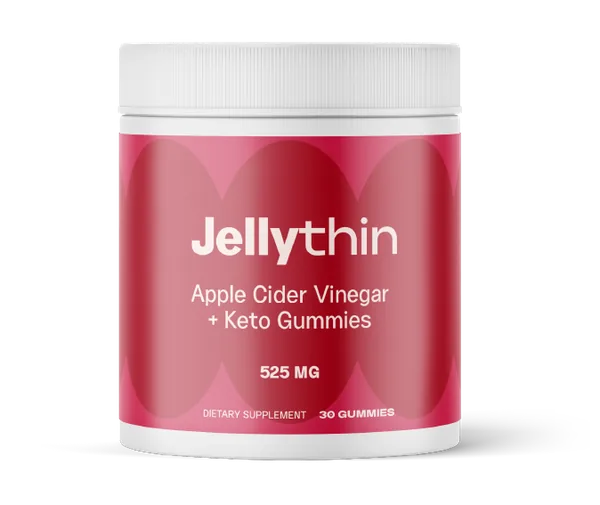
JellyThin
ACV + BHB in tasty jelly sticks. No pills, no stimulants — our #1 weight-loss pick.
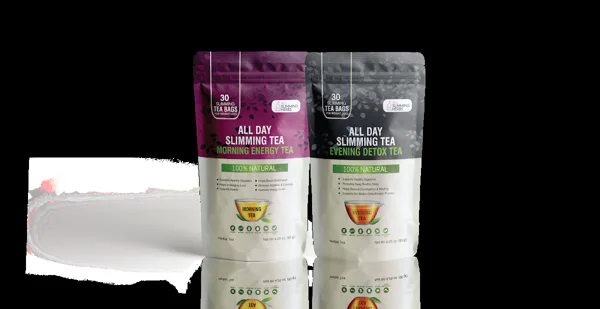
All Day Slimming Tea
Morning Energy + Evening Detox teas — a twice-daily tea ritual with senna evenings.
Ready to Try GLP Slim?
60-day money-back guarantee · 1 capsule daily · No stimulants listed