Berberine vs Metformin: What the Evidence Says (and What It Does Not)
One is a prescription diabetes drug with decades of data. The other is a plant-compound supplement with promising but far thinner evidence. Here is the fair comparison — and the line you must not cross.
Berberine and metformin both lower blood sugar, and some trials show berberine's glucose-lowering effect can be comparable in magnitude to metformin's, but they are not interchangeable. Metformin is a prescription diabetes drug with decades of monitoring behind it; berberine is an unregulated supplement with less long-term safety data. Never swap one for the other — talk to your doctor.
Important: this article is informational only. It is not medical advice. Never start, stop, or replace a prescribed medication — including metformin — on the basis of a blog article, a supplement ad, or a social media post. Any change to your medication must be decided with your doctor. We repeat that warning throughout this article because the berberine vs metformin comparison is exactly the topic where people get hurt by acting on headlines instead of medical guidance. If you take metformin or any glucose-lowering medication, talk to your doctor before considering berberine or any other supplement.
With that warning in place, the comparison itself is worth understanding. Berberine vs metformin is one of the most-searched supplement questions, and the internet's answers range from careful to reckless. Some sources call berberine "nature's metformin" and imply the two are interchangeable. They are not. They share a direction of effect — both lower blood sugar — but they differ in regulation, evidence depth, monitoring, safety data, and appropriate use. This article lays out those differences honestly, so you can have an informed conversation with your doctor rather than making a decision on your own.
Berberine vs Metformin: The Key Difference in One Paragraph
Metformin is a prescription drug approved to treat type 2 diabetes. It has been used for decades, studied in large trials with thousands of patients, and is prescribed with standard dosing, monitoring (kidney function, vitamin B12), and known interaction profiles. Berberine is a plant compound sold as a dietary supplement. It has been studied in smaller, shorter trials that suggest glucose-lowering effects, but supplements are not regulated like prescription drugs: there is no required pre-market proof of safety or efficacy, no standardized dosing enforced by a regulator, and no mandatory long-term monitoring. That regulatory and evidence gap is the single most important difference between the two — bigger than any single trial result.
Keep that frame in mind as you read the rest. Trial headlines can make berberine sound equal to metformin. The full picture — evidence depth, safety data, quality control, and monitoring — is what separates a prescription drug from a supplement, and it is why "comparable in one trial measure" never means "safe to swap."
What Is Berberine?
Berberine is a bitter, yellow plant compound (an alkaloid) found in several plants, including goldenseal, barberry, Oregon grape, and tree turmeric. It has a long history in traditional Chinese and Ayurvedic practice, where berberine-containing plants were used for digestive and metabolic complaints. In modern supplement form, berberine is typically sold in capsules, most commonly at doses of 500mg taken one to three times daily in studies — though supplement labels vary, and there is no regulator-approved standard dose.
Berberine is studied for several effects: blood-sugar support, cholesterol and lipid levels, gut health, and weight-related measures. The blood-sugar research is the most developed, which is why berberine draws the metformin comparison. But "most developed" for a supplement still means a modest evidence base compared with a prescription drug: fewer trials, smaller participant numbers, shorter durations, and less consistency in extract quality and dosing across studies.
Because berberine is sold as a dietary supplement, its manufacturing quality varies by brand. Supplements are not subject to the same pre-market approval, batch consistency, or labeling enforcement as prescription drugs. That is why our buying guides stress third-party testing and transparent labels — see our buyer's checklist and our guide on how to spot fake supplement reviews before trusting any supplement brand's claims.
What Is Metformin?
Metformin is a prescription medication used to treat type 2 diabetes, and it is one of the most widely prescribed diabetes drugs in the world. It has been in clinical use for decades. It lowers blood sugar primarily by reducing glucose production in the liver and improving the body's sensitivity to insulin. It is typically a first-line treatment for type 2 diabetes, often prescribed alongside diet and exercise changes.
Metformin's advantage is not just that it works — it is that its benefits, risks, dosing, and interactions are well characterized through decades of use in millions of patients. Doctors know how to dose it, how to monitor it (including kidney function and vitamin B12 levels during long-term use), which patients should avoid it, and which drug combinations require caution. That depth of knowledge is something no supplement can currently match, because no supplement has been through the same scale and duration of study.
Metformin is a prescription drug, which means it is only available through a doctor's prescription, with the dosing, monitoring, and follow-up that prescription implies. That gatekeeping is a feature, not a bug: blood-sugar management is medical care, and it deserves medical supervision.
Berberine vs Metformin: What Does the Evidence Say?
Now the question most readers came for: how does the evidence actually compare? The most-cited finding is that in some randomized controlled trials, berberine lowered blood-sugar measures — including fasting glucose and HbA1c (a longer-term marker of average blood sugar) — by amounts comparable in magnitude to metformin. That is a real finding from real trials, and it is the reason berberine gets serious attention from researchers.
But "comparable in magnitude in some trials" needs three qualifiers that are routinely dropped in marketing copy.
- Qualifier 1: the evidence base is much smaller. Metformin's evidence rests on decades of large trials and real-world use in millions of patients. Berberine's evidence rests on a much smaller set of trials with fewer participants and shorter durations. A small evidence base can produce encouraging results that do not hold up at scale.
- Qualifier 2: trial populations and conditions differ. Trials vary in participant characteristics, doses, extract quality, duration, and whether berberine was used alone or alongside lifestyle changes. Results from one trial population do not automatically generalize to everyone.
- Qualifier 3: comparable on one measure is not the same as equivalent overall. Two treatments can lower fasting glucose by similar amounts while differing substantially in long-term outcomes, safety profiles, interactions, and effects on complications. Blood-sugar numbers are one part of diabetes care — not the whole picture.
There is also evidence that berberine may modestly improve cholesterol and triglyceride measures in some trials, which is a secondary point in its favor. But again, the trials are small and short relative to the statin and diabetes-medication literature, and lipid management deserves the same medical framing: talk to your doctor.
The fair summary is this: berberine has promising glucose-lowering evidence for a supplement — among the more interesting supplement findings in the blood-sugar category — but it does not have anything close to metformin's depth of evidence, and promising is not the same as proven. Anyone who tells you berberine is "just as good as metformin" is skipping the qualifiers.
| Factor | Berberine | Metformin |
|---|---|---|
| What it is | Plant compound sold as a dietary supplement. | Prescription drug approved for type 2 diabetes. |
| Regulation | Supplements are not regulated like prescription drugs; no pre-market proof of efficacy required. | Regulated prescription drug with approved dosing and labeling. |
| Evidence for blood sugar | Smaller, shorter trials; some show glucose-lowering effects comparable in magnitude to metformin. | Decades of large trials and real-world use in millions of patients. |
| Monitoring | No standard monitoring protocol. | Doctor-monitored: kidney function, vitamin B12, drug interactions. |
| Long-term safety data | Limited; most trials are short-term. | Extensive long-term safety data. |
| Quality consistency | Varies by brand; check for third-party testing. | Pharmaceutical manufacturing standards. |
| Availability | Over the counter as a supplement. | Prescription only. |
Berberine vs Metformin: Side Effects
Side effects are another area where the two differ — both in what is common and in how well the risks are characterized.
Berberine Side Effects
Berberine's most common side effects are digestive: cramping, diarrhea, constipation, gas, or nausea. These are usually mild and dose-related, and they often improve if the dose is lowered or split across the day — but do not adjust any dose without medical guidance if you take prescription medication. Berberine can also interact with medications, including drugs processed by the same liver enzymes (the cytochrome P450 system). That interaction risk is easy to overlook because berberine is "just a supplement" — but supplements that affect liver enzymes can change how prescription drugs are metabolized, which is why disclosure to your doctor matters. Long-term safety data for berberine is limited, and the effects of years of continuous use are not well established.
Metformin Side Effects
Metformin's most common side effects are also digestive: nausea, diarrhea, stomach upset, and reduced appetite, especially when starting or when the dose is increased. Doctors typically start low and increase gradually, and an extended-release form can reduce digestive effects for some patients. A rare but serious risk is lactic acidosis, a dangerous build-up of lactic acid that is most likely in people with kidney, liver, or severe heart problems — one reason doctors monitor kidney function during metformin use. Long-term metformin use can also lower vitamin B12 levels, which is why B12 monitoring is part of standard care. These risks are well documented precisely because metformin has been studied so extensively.
The comparison here is not "which one has side effects" — both do. It is "how well do we understand the side effects, and who is watching for them?" With metformin, a doctor is watching. With berberine, nobody is watching unless you tell your doctor you are taking it. That is the practical safety gap.
Berberine vs Metformin: Who Is Each One For?
This is where the comparison becomes a decision framework — with the same warning attached: do not make medication decisions from a blog article. Talk to your doctor.
- Metformin is for people with type 2 diabetes (or related conditions) under a doctor's care. It is a proven, first-line prescription treatment with decades of data. If you have diabetes, metformin — or whatever your doctor prescribes — is the evidence-based path. Supplements do not replace it.
- Berberine may interest people looking for a supplement to support healthy blood sugar alongside diet and activity. The emphasis is on "support" and "alongside." Berberine is not a treatment for diabetes, not a substitute for prescribed medication, and not a reason to skip medical care.
- People with prediabetes or borderline blood sugar often ask about berberine. This is exactly the group that should have a medical conversation first — because prediabetes is the stage where lifestyle change and medical guidance have the largest impact, and where an unsupervised supplement can create a false sense of security.
- People already taking glucose-lowering medication should not add berberine without their doctor's approval. Combining two glucose-lowering agents could increase the risk of low blood sugar, and berberine's interaction potential makes unsupervised combination risky.
Can You Take Berberine and Metformin Together?
Do not combine berberine with metformin — or with any prescription medication — without your doctor's approval. This is not a suggestion to ask permission as a formality; it is a safety requirement. Combining two glucose-lowering agents could increase the risk of low blood sugar (hypoglycemia), and berberine can interact with how the liver processes other drugs. Your doctor needs to know about every supplement you take, because supplement–drug interactions are a real and under-reported cause of problems. If you are considering berberine and you take any prescription medication, the conversation with your doctor comes first — before the purchase, not after.
What About "Natural Metformin Alternatives"?
You will see berberine marketed as a "natural metformin alternative." That phrase is misleading, and it is worth understanding why. "Natural" is not a safety claim — many natural substances are toxic, and many safe drugs are synthetic. "Alternative" implies interchangeability, which berberine has not established. A more accurate phrase would be "a supplement with some glucose-lowering evidence that is not a substitute for metformin." That does not sell as well, which is exactly why you rarely see it.
The same skepticism applies to any supplement marketed as a replacement for a prescription drug. The pattern — take a real drug, find a supplement with a vaguely similar effect in small trials, then imply the supplement can replace the drug — is one of the most dangerous marketing templates in the supplement industry. Our supplement safety guide covers the broader checks that apply here: labels, interactions, testing, and when to walk away.
Where Does GLPro Fit In?
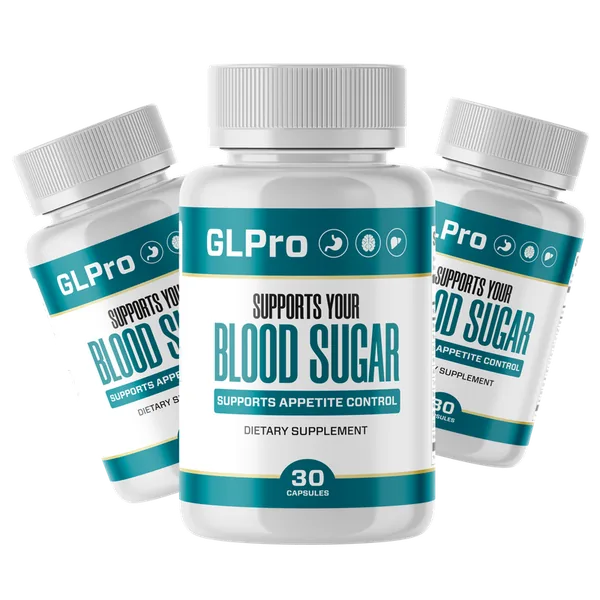
Readers interested in blood-sugar support often ask about supplements in that category, and our site reviews one: GLPro (rated 4.2/5), a glucose + weight-support supplement sold through the vendor's website. GLPro's angle is dual support — healthy glucose levels and natural weight management — rather than a berberine-style single-ingredient approach. Our review is candid about its limits: public ingredient and pricing detail is thinner than our top picks, we could not independently verify clinical trial data for the formula, and we recommend reading the full label and guarantee terms on the vendor page before ordering, and talking to your doctor first — especially if you have diabetes or take glucose-lowering medication. GLPro is a supplement, not a treatment, and the same rule applies: it does not replace prescribed medication.
If you are comparing blood-sugar supplements generally, the framework in this article still applies: ask what the evidence actually shows, how deep it is, what the label discloses, what the safety profile is, and whether your doctor has weighed in. No supplement in this category clears the bar of replacing medical care.
The Bottom Line: Berberine vs Metformin
Berberine vs metformin is not a close call once you look past the headline. Berberine has genuinely interesting glucose-lowering evidence for a supplement, with some trials showing effects comparable in magnitude to metformin's. But metformin has decades of large-trial evidence, standardized dosing, pharmaceutical quality control, established monitoring, and long-term safety data that berberine cannot match. They are not interchangeable, and berberine is not a substitute for metformin or for any prescribed diabetes medication.
If you have diabetes, prediabetes, or any blood-sugar condition: talk to your doctor. Do not replace, stop, or change your medication on the basis of this article or any supplement marketing. If you are considering berberine as a supplement, bring it up with your doctor first — with a full list of everything else you take — and let medical guidance decide. That is the only safe way to approach this comparison.
FAQ
Is berberine as effective as metformin?
Some trials have found berberine's glucose-lowering effect to be comparable in magnitude to metformin's, but the evidence base is much smaller and shorter-term than metformin's decades of data. Comparable in one measure does not mean interchangeable. Talk to your doctor.
Can I replace metformin with berberine?
No — never replace, stop, or change a prescribed medication on the basis of a blog article. Metformin is a prescription diabetes drug with established monitoring and long-term safety data. Any change to your medication must be decided with your doctor.
What is berberine?
Berberine is a plant compound found in several plants, including goldenseal and barberry. It is sold as a dietary supplement and has been studied for blood-sugar support, cholesterol, and gut health. Supplements are not regulated like prescription drugs.
What is metformin?
Metformin is a prescription medication used to treat type 2 diabetes. It lowers blood sugar primarily by reducing glucose production in the liver and improving insulin sensitivity. It has been used for decades and is one of the most widely prescribed diabetes drugs in the world.
What are the side effects of berberine?
Berberine's most common side effects are digestive: cramping, diarrhea, constipation, gas, or nausea. It can also interact with medications, including drugs processed by the same liver enzymes. Talk to your doctor before taking berberine, especially if you take any prescription medication.
What are the side effects of metformin?
Metformin's most common side effects are digestive: nausea, diarrhea, stomach upset, and reduced appetite, especially when starting. A rare but serious risk is lactic acidosis. Your doctor monitors kidney function and vitamin B12 during long-term metformin use. This article is not medical advice — talk to your doctor.
Can I take berberine and metformin together?
Do not combine berberine with metformin — or with any prescription medication — without your doctor's approval. Combining two glucose-lowering agents could increase the risk of low blood sugar, and berberine can interact with how the liver processes other drugs. Talk to your doctor first.
Who is berberine for?
Berberine may interest people looking for a supplement to support healthy blood sugar alongside diet and activity — but it is not a treatment for diabetes, and it is not a substitute for prescribed medication. Anyone with diabetes, prediabetes, or a glucose condition should discuss it with their doctor before trying it.
🔥 Related Reviews